Best Dog Backpacks and Carriers for Hiking and Urban Adventures
Backpack carriers for small dogs, saddlebag packs for dogs who carry their own gear, and front carriers for city walks.

Alex Corsa
Founder & Editor ·
📖 Table of Contents
Affiliate Disclosure: As an Amazon Associate, we earn from qualifying purchases. This comes at no extra cost to you and helps support our independent testing and reviews. We only recommend products we genuinely believe in.
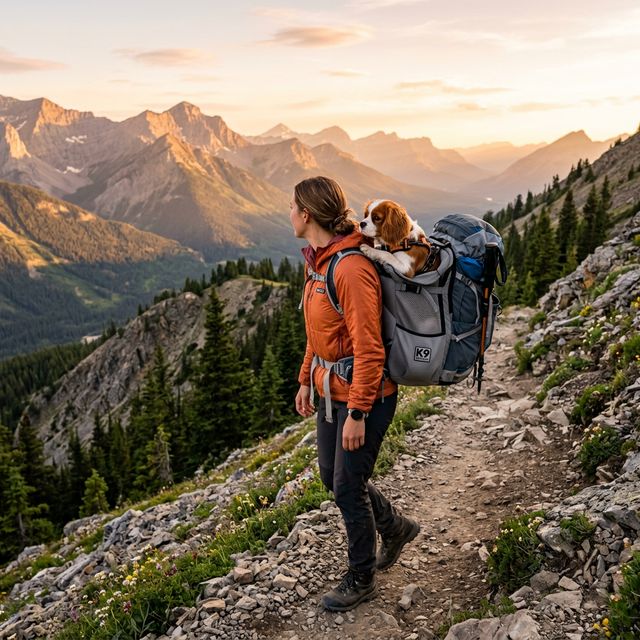
Dog backpacks fall into two categories: packs you wear to carry a small dog, and packs the dog wears to carry their own supplies. Both have practical uses beyond Instagram photos. Carrier backpacks let you take small dogs on trails they can’t handle alone. Dog-worn packs give high-energy breeds a job during walks and hikes, burning mental and physical energy simultaneously.
We tested both types across three months of hiking, city walks, and travel.
Dog Carrier Backpacks (You Carry the Dog)
Best Overall: K9 Sport Sack AIR Plus
The most engineered carrier backpack on the market. Padded shoulder straps with a sternum clip distribute weight across your upper body instead of just your shoulders. The mesh sides provide ventilation from every angle, and the adjustable interior strap keeps the dog at the right height (too low and they bounce against your back at every step).
Our 18-lb dog fit the Medium size comfortably. After initial suspicion, she settled in within 5 minutes and fell asleep during a two-mile hike. The padded interior and the dog’s ability to look over your shoulder or retreat deeper into the pack make it genuinely comfortable for the animal.
Weight limit: 30 lbs (Medium), 40 lbs (Large). These limits are generous. Personally, I wouldn’t carry more than 25 lbs for longer than an hour without serious hiking fitness.
Pros:
- Excellent weight distribution
- Multiple ventilation panels
- Storage pockets for human essentials
- Dog can face forward or tuck in
- Machine-washable interior liner
Cons:
- Expensive ($100-180 depending on size)
- Gets warm in summer (for you, not the mesh-ventilated dog)
- Not suitable for dogs over 30-35 lbs practically
Best Budget: PetAmi Deluxe Pet Carrier Backpack
About half the price of the K9 Sport Sack with 80% of the features. The ventilated mesh sides, padded base, and safety tether are all present. Where it falls short is strap padding (your shoulders feel 15+ lbs after 30 minutes) and the zipper quality (functional but not premium).
For occasional use — vet trips, short hikes, farmers markets — this is plenty. For serious all-day hiking, the K9 Sport Sack is worth the upgrade.
Pros:
- Affordable
- Adequate ventilation and safety clip
- Collapsible for storage
- Multiple carry options (backpack and front pack)
Cons:
- Shoulder straps lack sufficient padding for long carries
- Zipper quality is average
- Less structured (sags under heavier dogs)
- Size runs small
Dog Saddlebag Packs (Dog Carries Their Own Gear)
Best Overall: Ruffwear Approach Pack
Ruffwear makes the best dog gear, period. The Approach Pack fits over a padded harness base with two saddlebags that sit balanced on the dog’s sides. Load capacity is 25-30% of the dog’s body weight (a 60-lb dog can carry up to 15-18 lbs of gear).
The saddlebags hold water bottles, collapsible bowls, poop bags, treats, and a basic first aid kit. On multi-hour hikes, having the dog carry their own water saves significant weight off your back.
The harness portion doubles as a walking harness with a leash attachment point on the back. The padded chest and belly panel distribute pack weight evenly.
Pros:
- Stable, balanced design
- High-quality materials and stitching
- Harness doubles for daily walking
- Reflective trim for visibility
- Two sizes fit most medium to large dogs
Cons:
- Expensive ($80-100)
- Requires proper fitting (poor fit causes rubbing)
- Bags are not waterproof (use zip-lock bags for electronics)
- Not for brachycephalic breeds (weight adds breathing stress)
Best Budget: OneTigris Dog Saddlebag
A no-frills pack that works. MOLLE webbing on the outside lets you attach additional pouches. The ripstop nylon is water-resistant (not waterproof), and the pack has a top handle for lifting the dog over obstacles.
Pros:
- Affordable ($30-40)
- MOLLE attachment system for customization
- Top handle for lift assists
- Durable ripstop nylon
Cons:
- Less padding than Ruffwear
- Fit can be tricky (sizing runs large)
- Buckles feel cheaper
- Not as balanced under heavy loads
Front Carriers (Urban Use)
Best Front Carrier: NICREW Legs Out Dog Carrier
For small dogs in crowded cities, farmers markets, or situations where a backpack puts the dog behind you (where they can’t see and get anxious). The legs-out design lets the dog face forward from your chest with their legs hanging naturally.
This looks ridiculous. It works extremely well. Small dogs with anxiety about crowds calm down significantly when they can see everything and feel your body heat. Weight limit is about 15 lbs.
Pros:
- Dog faces forward with full visibility
- Hands-free with adjustable straps
- Comfortable for both human and dog
- Easy to put on and remove
Cons:
- 15 lb weight limit
- Looks unusual (you’ll get comments)
- Not suitable for long walks (dog legs dangle)
- Not for dogs who don’t like being held
Fitting a Dog Saddlebag Pack
A poorly fitted pack rubs, shifts during movement, and makes the dog hate wearing it.
- Measure the girth (around the widest part of the ribcage)
- Check the weight limit. Dog should carry no more than 25% of body weight when starting. Work up to 30% over several weeks.
- Start empty. Let the dog wear the empty pack on several walks before adding weight.
- Balance the load. Equal weight on both sides prevents the pack from shifting and causing sores.
- Check for rubbing after each hike. Red spots or missing fur under straps means the fit needs adjustment.
Frequently Asked Questions
Can any breed carry a backpack?
Most medium to large breeds can carry packs. Breeds with back problems (Dachshunds, Corgis) should avoid them. Brachycephalic breeds should not carry weight because the added exertion worsens breathing issues. Puppies under 18 months should not carry weight (developing joints).
How do I get my dog used to wearing a pack?
Same desensitization process as harness training. Day 1: put it on, treat, remove after 2 minutes. Day 2-3: wear it around the house. Day 4-7: wear it on short walks, empty. Week 2: add a small amount of weight. Most dogs accept packs within 1-2 weeks.
Is it cruel to make dogs carry their own stuff?
Working breeds were literally developed to carry loads. A properly fitted, appropriately weighted pack gives high-energy breeds a sense of purpose on walks. Many dogs are visibly calmer and more focused when wearing a pack. It’s beneficial when done correctly.
You Might Also Like
Alex Corsa
Founder & Editor
Alex Corsa has owned and fostered dogs for over 12 years, with hands-on experience caring for everything from senior mastiffs to reactive rescues and brachycephalic breeds. He started DogSupplyFinder after spending two frustrating years testing gear that failed, broke, or simply didn't work as advertised. Every recommendation on this site has been vetted against real-world use — not affiliate commission rates. Alex cross-references veterinary guidelines and AAFCO regulations for all food and health content.
Dog Tips, Deals & Gear Guides
Expert buying guides, breed-specific product picks, and honest gear reviews. Plus our free New Puppy Checklist for subscribers.
📬 No spam, ever. Unsubscribe anytime. · Get the free puppy checklist