Best Car Barriers and Back Seat Covers for Dogs: Protect Your Interior
Cargo barriers, waterproof seat covers, and hammock-style protectors compared. Keep dogs contained and your upholstery clean.

Alex Corsa
Founder & Editor ·
📖 Table of Contents
Affiliate Disclosure: As an Amazon Associate, we earn from qualifying purchases. This comes at no extra cost to you and helps support our independent testing and reviews. We only recommend products we genuinely believe in.
An unrestrained dog in a moving car is a projectile during a sudden stop. A 60-lb dog at 35 mph generates roughly 2,700 pounds of force in a collision. That’s dangerous for the pet and for every human in the vehicle. Even without a crash, a loose dog interferes with driving, jumps between seats, blocks mirrors, and causes the kind of distraction that leads to accidents.
But most dogs hate being restrained. The solution is giving them a contained area that feels comfortable while keeping them out of the front seats and protecting your upholstery. We tested barriers, seat covers, and restraint systems on long road trips to find what works.
Best Back Seat Hammock: 4Knines Dog Seat Cover
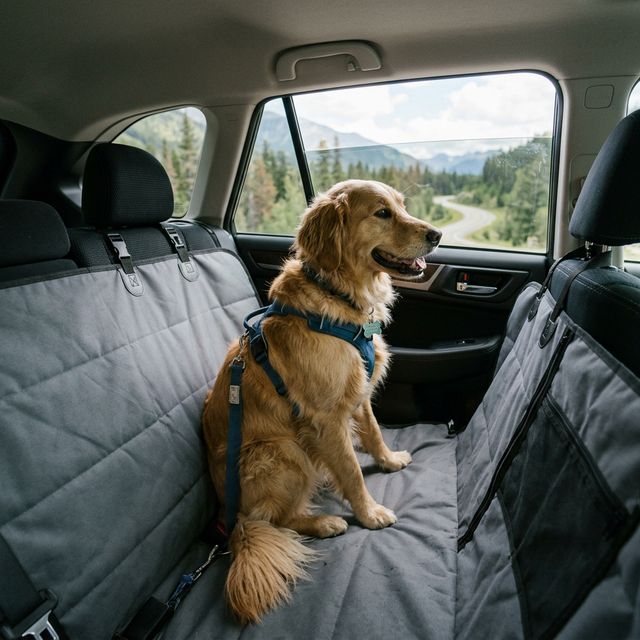
A hammock-style seat cover creates a contained area in the back seat with walls that prevent the dog from falling into the footwell. The 4Knines version is made from heavy-duty quilted material with a waterproof backing, adjustable straps that attach to all four headrests, and seat anchors that prevent sliding.
Our Lab spent 12 hours in this during a multi-day road trip and slept comfortably. Muddy paws, drool, and one episode of nervous vomiting wiped clean with a damp cloth. The waterproof backing kept the actual seat completely dry.
Pros:
- Creates a contained hammock space
- Heavy-duty waterproof material
- Fits sedans, SUVs, and trucks
- Machine washable
- Doubles as a flat seat cover (hammock function unsnaps)
Cons:
- Takes 5 minutes to install properly
- Buckle clips can scratch plastic trim if forced
- Doesn’t prevent the dog from climbing to the front (need to combine with a barrier)
Best Cargo Area Barrier: Bushwhacker Paws n Claws Deluxe Barrier
For SUVs and hatchbacks, a cargo barrier keeps the dog in the back while giving them the full cargo area to move around. The Bushwhacker is a universal-fit mesh barrier that mounts between the headrests of the back seat and the cargo area ceiling or sides.
Mesh is better than solid barriers because dogs can see through it (reducing anxiety) and air flows normally. Solid barriers turn the cargo area into an oven on warm days.
Pros:
- Universal fit for most SUVs and wagons
- Mesh allows airflow and visibility
- Easy installation and removal
- Prevents dogs from jumping into back seats
Cons:
- Mesh can be chewed through by determined dogs
- Won’t contain dogs in a collision (it’s a behavioral barrier, not a safety device)
- Doesn’t fit sedans
Best Booster Seat: K&H Pet Products Bucket Booster
For small dogs that need to see out the window (and whose owners need them contained). The bucket design elevates dogs to window height with a padded interior and a tether attachment for a harness. The rigid frame stays in place without shifting during turns.
Our test Cavalier King Charles Spaniel loved this immediately. Being elevated to window height visibly reduced his anxiety during car rides. The interior pad is removable and washable, which matters because small dogs inside bucket seats means close-quarters drooling.
Pros:
- Elevates small dogs to window height
- Padded interior for comfort
- Tether attachment for harness safety
- Rigid frame doesn’t shift during driving
- Machine-washable pad
Cons:
- Only for dogs under 25 lbs
- Bulky to store when not in use
- Tether not included (needs separate purchase)
Best Crash-Tested Harness: Sleepypod Clickit Sport
If you want actual crash protection, a crash-tested harness is the only proven option. The Sleepypod Clickit Sport is the most independently tested dog car harness available. It passed Center for Pet Safety crash tests at speeds up to 30 mph.
The harness attaches directly to the car’s seatbelt. In a collision, it distributes force across the dog’s chest rather than concentrating it on the neck (which is what happens with a collar-and-leash tether).
Pros:
- Crash-tested by Center for Pet Safety
- Charts force across broad chest plate
- Double as walking harness
- Multiple size options
Cons:
- Expensive for a harness ($65-80)
- Takes practice to fit correctly
- Dog can’t move to comfortable positions (stays seated)
- Not suitable for short-snouted breeds (chest plate can restrict breathing)
Best Cargo Liner: BarksBar Luxury Pet Cargo Liner
A full cargo area liner that protects every surface: floor, sidewalls, and bumper flap. The bumper flap is the detail that matters most. Dogs climbing in and out of SUVs scratch the bumper with every trip. This liner hangs over it.
Pros:
- Full coverage including bumper flap
- Non-slip rubber backing
- Water-resistant (not waterproof, but handles most messes)
- Universal fit for most SUVs
- Easy to remove and shake clean
Cons:
- Not fully waterproof (heavy messes can soak through)
- Velcro attachments weaken over time
- Needs separate barrier to keep dog in cargo area
What About Crates in Cars?
A crash-tested crate secured in the cargo area is the safest option. The Gunner Kennel G1 and Variocage are the two brands that have passed independent crash testing. Both cost $500+. They’re worth it if your dog travels in the car frequently and you want maximum safety.
For most pet owners, a crash-tested harness (Sleepypod Clickit) or a cargo barrier plus seat cover provides adequate safety at a fraction of the cost.
Frequently Asked Questions
Can my dog ride in the front seat?
Legally, most states don’t prohibit it. Practically, it’s dangerous. Airbags deploy with force calibrated for adult humans and can kill a dog. The back seat is always safer.
What’s the safest car setup for dogs?
In order from safest to least safe: crash-tested crate in cargo area > crash-tested harness in back seat > cargo barrier with liner > seat cover hammock > loose in back seat > loose in front seat.
My dog gets carsick. Will a seat cover help?
Car sickness is usually a vestibular issue, not a comfort issue. Elevating the dog to see out the window (using a booster seat) can reduce motion sickness. Cracking a window for airflow helps. If it’s severe, talk to your vet about cerenia (maropitant), an anti-nausea medication designed for pets.
You Might Also Like
Alex Corsa
Founder & Editor
Alex Corsa has owned and fostered dogs for over 12 years, with hands-on experience caring for everything from senior mastiffs to reactive rescues and brachycephalic breeds. He started DogSupplyFinder after spending two frustrating years testing gear that failed, broke, or simply didn't work as advertised. Every recommendation on this site has been vetted against real-world use — not affiliate commission rates. Alex cross-references veterinary guidelines and AAFCO regulations for all food and health content.
Dog Tips, Deals & Gear Guides
Expert buying guides, breed-specific product picks, and honest gear reviews. Plus our free New Puppy Checklist for subscribers.
📬 No spam, ever. Unsubscribe anytime. · Get the free puppy checklist