Best Dog Nail Clippers and Grinders: Pain-Free Trimming Tools
Guillotine, scissor, and grinder-style nail tools compared. Plus how to trim dark nails without hitting the quick.

Alex Corsa
Founder & Editor ·
📖 Table of Contents
Affiliate Disclosure: As an Amazon Associate, we earn from qualifying purchases. This comes at no extra cost to you and helps support our independent testing and reviews. We only recommend products we genuinely believe in.
Most dog owners either clip nails too infrequently (causing overgrown quicks and splayed toes) or avoid it entirely because they’re terrified of cutting the quick. The right tool makes the job faster, more precise, and less stressful for both you and the dog.
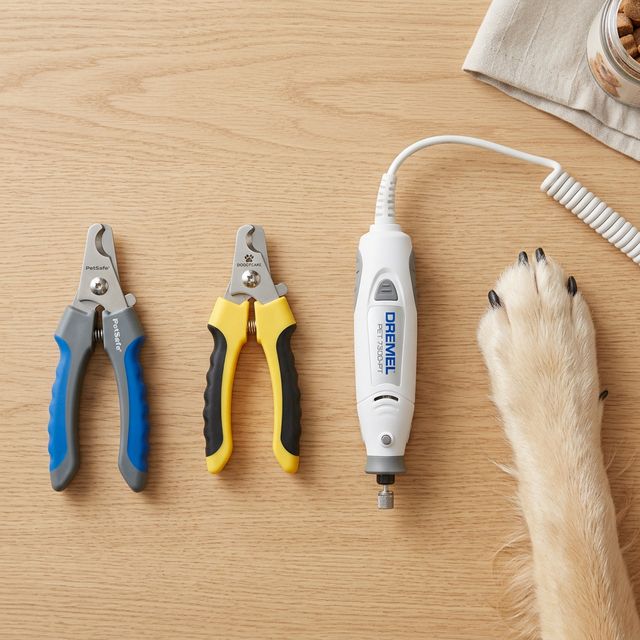
We compared guillotine clippers, scissor-style clippers, and electric grinders on dogs with clear nails (easy mode) and dark nails (hard mode). Each tool type has clear advantages depending on your dog’s size, nail color, and temperament.
Types of Nail Tools
Guillotine Clippers
A hole you insert the nail through, and a blade slides across like a paper cutter. Best for small to medium dogs with thin nails. Not ideal for thick, large-breed nails because the blade doesn’t generate enough force.
Scissor/Plier Clippers
Two blades that close together like scissors. The most versatile type and the one most vets and groomers default to. Works on all nail thicknesses.
Electric Grinders (Dremels)
A rotating sanding drum that files the nail down gradually instead of cutting. Slower but eliminates the risk of cutting the quick. Many dogs that hate clippers tolerate grinders.
Best Scissor Clipper: Safari Professional Nail Trimmer
The standard that veterinary clinics stock. Sharp stainless steel blades, a spring-loaded mechanism that doesn’t tire your hand, and a safety stop that limits how much nail you can remove in one cut.
The blades on this clipper stay sharp for months of regular use. When they dull (you’ll feel it rather than hear a clean snap), replace the clipper. Dull blades crush rather than cut, which is painful for the dog.
Pros:
- Sharp, clean cuts
- Safety stop prevents over-cutting
- Comfortable grip for the owner
- Works on small through large dogs
- Under $10
Cons:
- Safety stop can be frustrating for experienced users
- Not ideal for giant breed nails (use heavy-duty version)
Best Electric Grinder: Dremel PawControl
The gold standard for grinder-style nail care. Variable speed (two settings) lets you start slow for nervous dogs and speed up once they’re comfortable. The guard attachment prevents over-grinding, and the sanding drum is replaceable.
Grinders excel with dark nails because you remove material gradually. You can see the nail cross-section change as you approach the quick (it shifts from chalky white to a darker, slightly translucent circle). With clippers, you get no preview. One cut is either safe or bloody.
Pros:
- Variable speed for different comfort levels
- Guard prevents over-grinding
- Rechargeable battery
- Quiet operation (important for anxious dogs)
- Replaceable sanding drums
Cons:
- Slower than clippers (5-10 minutes vs. 2-3 minutes)
- Motor noise bothers some dogs initially
- Requires desensitization for noise-sensitive dogs
- More expensive than clippers
Best Guillotine Clipper: Resco Original Deluxe
A favorite in grooming salons for a reason. The blade is replaceable, so the tool lasts years without going dull. The handle is comfortable enough that you won’t get hand cramps even if you’re trimming multiple dogs.
Pros:
- Replaceable blades (saves money long-term)
- Clean, precise cuts
- Comfortable handle
- Durable construction lasts years
Cons:
- Learning curve for proper nail insertion angle
- Not suitable for large, thick nails
- Replacement blades require ordering
Best for Giant Breeds: Millers Forge Dog Nail Clipper (Large)
When your dog’s nails are thick as a pencil, regular clippers won’t cut it (literally). The Millers Forge large clipper is built for Great Dane, Mastiff, and Saint Bernard nails that would jam or crack standard tools. Longer handles give you the grip strength big nails demand.
Pros:
- Handles thick, large-breed nails
- Long handles for better grip on thick nails
- Stainless steel blades
- Affordable for a specialty tool
Cons:
- Too large for small/medium dogs
- No safety stop
- Blades not replaceable
Best Styptic Powder: Miracle Care Kwik Stop
Not a cutting tool, but you need this next to whatever tool you use. When you cut the quick (and you will, eventually), Kwik Stop stops the bleeding in about 30 seconds. Dip the affected nail directly into the powder and apply gentle pressure.
Pros:
- Stops bleeding fast
- Benzocaine provides mild pain relief
- Lasts through dozens of uses per container
How to Trim Dark Nails Safely
Dark nails hide the quick completely. Here’s the technique groomers use:
- Trim small amounts at a time. Take off 1-2mm slivers rather than large chunks.
- Look at the cross-section after each cut. The nail center changes from dry, chalky white to a darker, slightly moist circle as you approach the quick.
- Stop when you see the dark dot. That darker center is the tip of the quick. Stop cutting.
- Use a grinder for the final precision. After clipping within safe range, grind the last bit for a smooth, rounded finish.
- Tip: the two-week rule. If nails touch the floor when the dog is standing, they’re too long. Trim every 2 weeks to maintain proper length and gradually recede an overgrown quick.
Desensitizing Your Dog to Nail Trimming
Dogs that panic during nail trims learned that response somewhere. Rebuild the association:
- Week 1: Handle paws while giving treats. Touch nails, spread toes, hold each paw for 5 seconds. Treat every time.
- Week 2: Bring out the tool. Let the dog sniff it. Treat. Touch the clipper to a nail without cutting. Treat.
- Week 3: Clip one nail. Just one. Treat heavily. Done for the day.
- Week 4: Clip 2-3 nails per session. Build up gradually.
This takes patience. Rushing creates a dog that needs sedation for nail trims for the rest of their life.
Frequently Asked Questions
How often should I trim my dog’s nails?
Every 2-3 weeks. If you hear clicking on hard floors, they’re overdue. Regular trimming gradually shortens the quick, making future trims safer. Dogs that walk on concrete regularly may need trimming less often because pavement files nails naturally.
My dog screams when I try to trim nails even if I haven’t cut the quick. Why?
Some dogs are dramatic about nail trimming without experiencing pain. The pressure of the clipper on the nail (before cutting) can feel uncomfortable. Try a grinder instead. The gradual filing sensation is different enough that many clipper-phobic dogs tolerate it.
Can I use human nail clippers on a dog?
Only on very small puppies with thin, soft nails. Adult dog nails are too thick and round for flat human clipper blades. Human clippers crush rather than cut, which splinters the nail.
You Might Also Like
Alex Corsa
Founder & Editor
Alex Corsa has owned and fostered dogs for over 12 years, with hands-on experience caring for everything from senior mastiffs to reactive rescues and brachycephalic breeds. He started DogSupplyFinder after spending two frustrating years testing gear that failed, broke, or simply didn't work as advertised. Every recommendation on this site has been vetted against real-world use — not affiliate commission rates. Alex cross-references veterinary guidelines and AAFCO regulations for all food and health content.
Dog Tips, Deals & Gear Guides
Expert buying guides, breed-specific product picks, and honest gear reviews. Plus our free New Puppy Checklist for subscribers.
📬 No spam, ever. Unsubscribe anytime. · Get the free puppy checklist