Dog Body Language: 12 Signals Most Owners Misread
Tail wags don't always mean happy. Yawning doesn't always mean tired. Here's what your dog is actually telling you.

Alex Corsa
Founder & Editor ·
📖 Table of Contents
Dogs communicate constantly. They just don’t use words. Every ear position, tail movement, and body posture is a sentence. Most dog owners pick up on obvious canine signals (growling means back off), but the subtle ones get misread daily, leading to bites, fights, and stress that could have been avoided.
Here are 12 signals that most owners interpret incorrectly.
1. Tail Wagging = Happy
What people think: A wagging tail means the dog is friendly and approachable.
What it actually means: A wagging tail means the dog is emotionally aroused. That arousal might be happiness, excitement, anxiety, or aggression. The speed, height, and direction of the wag matter more than the wag itself.
- Broad, loose wag at mid-height: Relaxed and friendly
- Fast, tight wag with tail held high: High arousal, possibly aggressive
- Low, slow wag: Uncertain or submissive
- Tail tucked between legs with tiny wag: Fear
- Research finding: A 2007 study in Current Biology found dogs wag more to the right when they see something positive (owner, friendly dog) and more to the left when they see something negative (unfamiliar dominant dog)
2. Showing Belly = Wants Belly Rubs
What people think: The dog is relaxed and inviting touch.
What it actually means: Sometimes yes, sometimes not at all. Dogs expose their belly in two very different contexts:
- Relaxed submission: Loose body, soft eyes, wiggling. This dog probably does want belly rubs.
- Appeasement/fear: Tense body, tucked tail, whale eyes (showing the whites), possibly urinating slightly. This dog is saying “please don’t hurt me,” not “please touch me.” Reaching for a fearful dog’s belly can trigger a defensive bite.
How to tell the difference: Look at the rest of the body. Relaxed legs, open mouth, soft breathing = genuinely comfortable. Stiff legs, closed mouth, tense muscles = fear.
3. Yawning = Tired
What people think: The dog needs a nap.
What it actually means: Yawning in dogs is primarily a stress signal, not a sleepiness indicator. Dogs yawn when they’re anxious, uncomfortable, or trying to self-soothe. In a training session, yawning often means the dog is confused or overwhelmed.
Context matters: A yawn after waking up? That’s just a yawn. A yawn at the vet’s office, in a new environment, or when a stranger reaches for them? That’s stress.
4. Lip Licking = Hungry
What people think: The dog smells food and is salivating.
What it actually means: Quick tongue flicks (not full licking of the chops) are another stress signal. Dogs lip-lick when they’re uncomfortable with a situation. It’s one of the earliest calming signals dogs use, both to self-soothe and to communicate to other dogs that they’re not a threat.
Watch for it: During vet visits, when being hugged, when a child approaches a dog’s face, or when meeting unfamiliar dogs. If you see lip licking in these contexts, the dog is uneasy.
5. Raised Hackles = Aggression
What people think: The dog is about to attack.
What it actually means: Piloerection (hackles rising along the spine) is an involuntary response to strong emotions. The dog can’t control it any more than you can control goosebumps. The emotion might be aggression, but it might also be excitement, uncertainty, or even playfulness. A dog’s hackles might raise when they see a friend they’re excited to play with.
Look at the whole dog: Raised hackles plus stiff body, hard stare, and forward weight = likely aggression. Raised hackles plus bouncy movement and play bow = excitement.
6. Dog Smiling = Being Friendly
What people think: The dog is genuinely smiling at them.
What it actually means: A dog showing teeth can be a submissive grin (seen in some breeds, especially when greeting their owner), a fear display, or a warning. The “submissive grin” typically involves wrinkled nose, squinted eyes, and a low body. A warning display has a stiff body, hard eyes, and tight facial muscles.
Some dogs do develop genuine “smiling” as a learned behavior because they’ve been rewarded for the expression with attention. But don’t assume a teeth display from an unfamiliar dog is friendly.
7. Turning Away = Ignoring You
What people think: The dog is blowing them off or being stubborn.
What it actually means: Turning the head or body away is a deliberate calming signal. The dog is defusing tension. It’s the canine equivalent of putting your hands up and saying “I’m not looking for trouble.” Dogs do this with each other, with humans, and with perceived threats.
This is actually polite behavior. Don’t force the dog to engage. They’re telling you they need space.
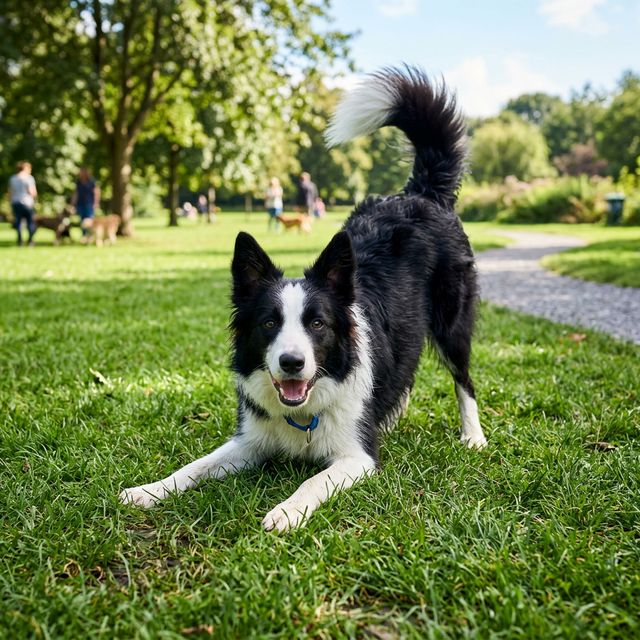
8. Play Bow = Let’s Play
What people think: This one is usually correct.
What it actually means: Front end down, back end up, and the dog is inviting play. This signal is clear and almost always means exactly what it looks like. However, dogs also use play bows in the middle of an interaction that’s getting too intense, as a way of saying “I’m still playing, this isn’t turning serious.”
If a dog play bows after rough play that was escalating, they’re trying to keep things friendly. Respect that signal by matching their energy level.
9. Whale Eyes = Nothing Important
What people think: They don’t notice it at all.
What it actually means: “Whale eye” or “half moon eye” is when you can see the whites of a dog’s eyes (the sclera), usually because the dog is turning their head away but keeping their eyes fixed on something they perceive as a threat. This is a significant stress signal. A dog showing whale eyes is uncomfortable and potentially close to reacting.
Common trigger: Children hugging dogs. The dog turns the head away (polite avoidance) but watches the child (perceived threat). Adults see a cute photo. Behaviorists see a bite waiting to happen.
10. Panting = Hot
What people think: The dog needs water.
What it actually means: Panting is normal thermoregulation, but dogs also pant when they’re stressed, anxious, or in pain. Stress panting looks different from heat panting: the mouth is often pulled back at the corners (looking almost like a grimace), the tongue is wider and flatter, and the eyes may appear concerned rather than relaxed.
If your dog pants heavily in a cool room, something else is going on. Consider pain, anxiety, or a medical issue.
11. Leaning Against You = Affection
What people think: The dog loves them.
What it actually means: Often this is exactly what it looks like, a contact-seeking behavior from a bonded dog. But some dogs lean because they’re anxious and using you as a physical anchor. Dogs who lean during thunderstorms, vet visits, or in new environments are seeking security, not showing love.
Either way, the appropriate response is the same: be present and calm. Just know the difference between a happy lean and a worried lean.
12. Growling = Bad Dog
What people think: The dog is being aggressive and should be punished.
What it actually means: Growling is a warning, and warnings are good. A growl says “I’m uncomfortable and I want this to stop.” Dogs that growl are communicating clearly and giving you a chance to change the situation before they escalate.
Never punish growling. A dog that learns growling gets them punished will skip the warning and go straight to biting next time. Instead, identify what’s causing the dog to growl and address that underlying issue.
Frequently Asked Questions
Can dogs read human body language?
Extremely well. Dogs have co-evolved with humans for 15,000+ years and can read human facial expressions, pointing gestures, and emotional states better than any other species. Your dog knows when you’re upset before you do.
Do different breeds have different body language?
The basic signals are universal, but some breeds have hardware limitations. Dogs with docked tails can’t communicate with tail position. Dogs with cropped ears can’t show ear position. Breeds with permanently raised tails (Huskies, Spitz types) have a different baseline than breeds with naturally low tails. Learn your specific breed’s “neutral” position and read changes from there.
My dog freezes when I try to take something away. What does that mean?
Freezing (going completely still) is a serious warning signal that often precedes a bite. The dog is saying “I’m about to defend this.” Do not reach for the item. Trade the dog for something of higher value instead, and work on “drop it” training in a low-stakes context.
You Might Also Like
Alex Corsa
Founder & Editor
Alex Corsa has owned and fostered dogs for over 12 years, with hands-on experience caring for everything from senior mastiffs to reactive rescues and brachycephalic breeds. He started DogSupplyFinder after spending two frustrating years testing gear that failed, broke, or simply didn't work as advertised. Every recommendation on this site has been vetted against real-world use — not affiliate commission rates. Alex cross-references veterinary guidelines and AAFCO regulations for all food and health content.
Dog Tips, Deals & Gear Guides
Expert buying guides, breed-specific product picks, and honest gear reviews. Plus our free New Puppy Checklist for subscribers.
📬 No spam, ever. Unsubscribe anytime. · Get the free puppy checklist