Senior Dog Care: Adjustments That Make the Later Years Comfortable
Joint support, diet changes, exercise modifications, and cognitive health. What changes when your dog hits their golden years.

Alex Corsa
Founder & Editor ·
📖 Table of Contents
Medical Disclaimer
This content is for informational purposes only and is not intended as a substitute for professional veterinary advice, diagnosis, or treatment. Always consult with a qualified veterinarian before making changes to your dog's care routine.
Medically reviewed by Dr. Sarah Mitchell, DVM, DVM
Licensed veterinarian. This article has been reviewed for medical accuracy.
Dogs age faster than we want them to. A 7-year-old Labrador is a middle-aged adult entering senior territory. An 8-year-old Great Dane is elderly. The transition is gradual, and many owners don’t notice the changes until they’re significant.
Recognizing early signs of aging and adjusting care proactively adds quality months and years to your dog’s life.
When Is a Dog “Senior”?
It depends on size. Larger dogs age faster than smaller dogs.
| Size | Senior Age | Expected Lifespan |
|---|---|---|
| Small breeds (under 20 lbs) | 10-12 years | 14-18 years |
| Medium breeds (20-50 lbs) | 8-10 years | 12-15 years |
| Large breeds (50-90 lbs) | 7-8 years | 10-13 years |
| Giant breeds (90+ lbs) | 5-6 years | 8-10 years |
Early Signs of Aging
Physical Changes
- Slower to get up from lying down (stiff joints)
- Less enthusiasm for long walks or play sessions
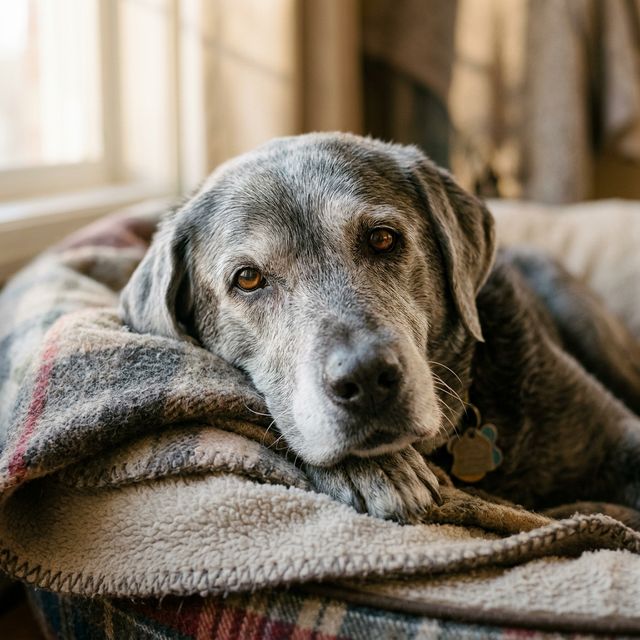
- Graying around the muzzle and eyes
- Cloudy eyes (nuclear sclerosis is normal aging; cataracts require vet evaluation)
- Hearing loss (doesn’t respond to name or commands from another room)
- Weight gain without eating more (metabolism slowing)
- Lumps and bumps (most are benign lipomas, but always have new lumps checked)
Behavioral Changes
- Sleeping more during the day
- Anxiety at night (sundowner syndrome, similar to human dementia)
- House soiling in a previously housetrained dog
- Getting lost in familiar environments or staring at walls
- Less interest in greeting visitors or playing with other dogs
- Increased clinginess or the opposite, withdrawing from interaction
Joint Health
Arthritis affects an estimated 80% of dogs over age 8. Most dogs don’t limp until the condition is advanced because they adapt slowly. By the time you notice a limp, the joint damage is significant.
Early Intervention
- Joint supplements: Glucosamine and chondroitin have modest evidence for slowing cartilage degradation. Start before clinical signs appear. Fish oil (omega-3 fatty acids) reduces joint inflammation.
- Weight management: Every extra pound adds stress to joints. Keeping a senior dog lean is the single most effective thing you can do for joint health.
- Appropriate exercise: Switch from high-impact activities (jumping, running on hard surfaces) to low-impact ones (swimming, walking on grass, gentle hiking). Maintain regular movement. Inactivity worsens stiffness.
- Warm, padded sleeping surface: An orthopedic bed keeps joints off cold floors and provides cushioning. See our best dog beds for large breeds and calming bed reviews for options.
When to See the Vet
If your dog shows persistent stiffness, limping, reluctance to jump or climb stairs, or difficulty getting up, your vet can prescribe anti-inflammatory medications (NSAIDs specifically formulated for dogs), physical therapy, or in some cases, discuss surgical options.
Diet Adjustments
Calorie Reduction
Senior dogs typically need 20-30% fewer calories than they did as active adults. Their metabolism slows but their appetite often doesn’t. Feeding the same amount as before leads to weight gain.
Switch to a senior-formulated food or reduce portions of the current food. Weigh your dog monthly and adjust.
Protein
Contrary to the old advice of “reduce protein for seniors,” current veterinary nutrition research supports maintaining or even increasing protein levels to preserve muscle mass. Ask your vet about the appropriate protein percentage for your dog.
Fiber
Some senior dogs develop constipation from reduced activity and medications. Slightly higher fiber content (from pumpkin, sweet potatoes, or a senior formula) helps.
Hydration
Older dogs sometimes drink less. Monitor water intake. Add water to dry food, offer ice cubes as treats, or use a pet water fountain to encourage drinking.
Exercise Modifications
Don’t stop exercising your senior dog. Stopping leads to muscle loss, weight gain, and accelerated joint deterioration. Instead, modify.
- Shorter, more frequent walks: Two 15-minute walks beat one 30-minute walk for stiff joints
- Warm up gradually: Start slow and let the dog set the pace for the first few minutes
- Avoid stairs and jumping: Ramps for furniture and cars reduce joint impact
- Swimming: The best exercise for arthritic dogs. Water supports body weight while allowing full range of motion.
- Mental exercise replaces physical: Puzzle toys, sniff walks (let the dog sniff everything instead of maintaining pace), and nose work games exercise the brain without stressing the body
Cognitive Health (Canine Cognitive Dysfunction)
Called CCD or “doggy dementia,” this condition affects up to 68% of dogs over age 15 to some degree. It’s caused by physical changes in the brain similar to Alzheimer’s in humans.
Signs (DISHA)
- Disorientation: Getting lost in familiar areas, staring into space, going to the wrong side of the door
- Interactions: Changes in social behavior, less greeting, less affection, or increased clinginess
- Sleep-wake changes: Restless at night, sleeping all day, pacing and vocalizing at 3am
- House soiling: Accidents in a dog that was fully housetrained for years
- Activity changes: Reduced interest in play, repetitive behaviors (spinning, pacing)
Management
- Mental stimulation: Puzzle toys, training new simple tricks, sniff games. Keep the brain active.
- Consistent routine: Don’t rearrange furniture. Keep feeding times, walk times, and sleeping spots the same.
- Night lights: If your dog paces at night, leave a light on. Darkness increases disorientation.
- Medication: Selegiline (Anipryl) is FDA-approved for CCD in dogs. SAMe and medium-chain triglyceride (MCT) supplements show some promise. Discuss options with your vet.
- Diet: Hill’s b/d Brain Diet and Purina Pro Plan Bright Mind contain ingredients targeted at cognitive health.
Vet Visit Schedule
Senior dogs should see the vet every 6 months rather than annually. Blood panels, urinalysis, and physical exams catch kidney disease, thyroid issues, diabetes, and cancer earlier when treatment is more effective.
Minimum Senior Blood Work
- Complete blood count (CBC)
- Chemistry panel (kidney and liver values)
- Thyroid level (T4)
- Urinalysis
- Blood pressure
Optional but Valuable
- Chest X-rays (heart and lungs)
- Abdominal ultrasound
- Eye pressure check (glaucoma screening)
Making the Home Senior-Friendly
- Non-slip rugs on tile and hardwood floors (older dogs slip and fall, which can cause injuries and erode confidence)
- Ramps for beds, couches, and cars
- Raised food and water bowls to reduce neck strain
- Night lights in hallways for dogs with vision loss
- Orthopedic bed in every room where the dog spends time
- Baby gates to block stairs if the dog shouldn’t use them unsupervised
Frequently Asked Questions
How do I know when it’s time to say goodbye?
The hardest question in dog ownership. Quality of life assessments track pain, appetite, hydration, hygiene, happiness, mobility, and “more good days than bad.” If the bad days outnumber the good consistently, it may be time. Your vet can help with this evaluation. The HHHHHMM quality of life scale (developed by Dr. Alice Villalobos) is a useful framework.
Is pet insurance worth it for a senior dog?
It’s harder to get and more expensive. Pre-existing conditions are excluded. If your dog has been insured since puppyhood, maintain it. If not, consider setting up a dedicated savings account for vet expenses instead.
My senior dog suddenly can’t walk. What do I do?
Sudden loss of mobility can indicate a slipped disc, stroke, or blood clot. This is an emergency. Get to a vet immediately. Time matters, especially for spinal issues.
You Might Also Like
Alex Corsa
Founder & Editor
Alex Corsa has owned and fostered dogs for over 12 years, with hands-on experience caring for everything from senior mastiffs to reactive rescues and brachycephalic breeds. He started DogSupplyFinder after spending two frustrating years testing gear that failed, broke, or simply didn't work as advertised. Every recommendation on this site has been vetted against real-world use — not affiliate commission rates. Alex cross-references veterinary guidelines and AAFCO regulations for all food and health content.
Dog Tips, Deals & Gear Guides
Expert buying guides, breed-specific product picks, and honest gear reviews. Plus our free New Puppy Checklist for subscribers.
📬 No spam, ever. Unsubscribe anytime. · Get the free puppy checklist