7 Signs Your Dog's Harness Doesn't Fit (and How to Fix It)
A poorly fitted harness causes chafing, breathing problems, and escape risk. Here's how to spot fit issues and what to do about them.

Alex Corsa
Founder & Editor ·
📖 Table of Contents
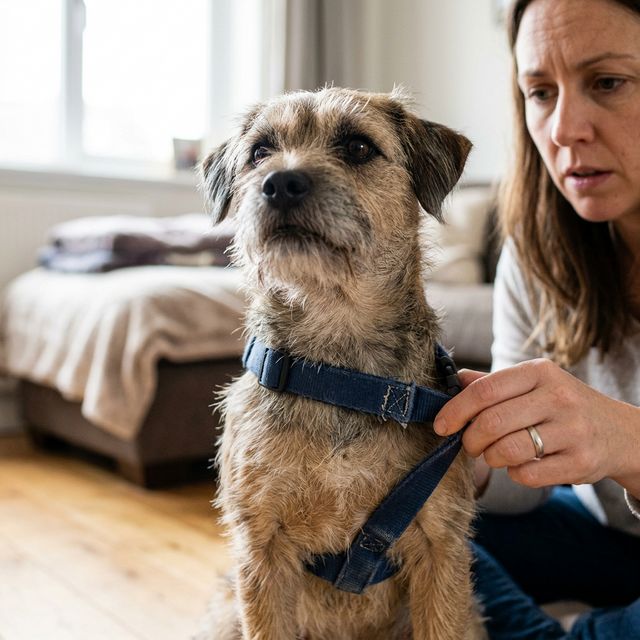
A harness that fits wrong is worse than no harness at all. Too tight, and it restricts breathing or rubs raw spots into your dog’s skin. Too loose, and your dog backs out of it at the worst possible moment. The tricky part is that many fit problems aren’t obvious until you know what to look for.
Here are the seven most common signs that your dog’s harness needs adjusting or replacing.
1. Chafing or Hair Loss Behind the Front Legs
This is the most common harness problem. The straps behind the front legs rub against the skin during walking, creating friction burns that look like bald patches or raw, red skin.
What causes it: Straps that are too tight, straps made from rough material, or a harness design that doesn’t account for your dog’s leg movement during the walking gait.
How to fix it: Loosen the chest strap so you can fit two fingers between the strap and your dog’s body. If the chafing continues with proper adjustment, switch to a harness with padded straps or a vest-style design that distributes pressure across a wider area.
2. The Harness Rides Up Toward the Throat
When you clip the leash to the back ring and your dog pulls, the chest strap slides upward toward the neck. Instead of the pulling force staying on the chest where it’s safe, it ends up pressing against the trachea.
What causes it: The harness is too large, the chest strap is too loose, or the design lacks a belly strap to anchor it in position.
How to fix it: Tighten the girth strap so the chest strap sits at the sternum, not higher. If the harness doesn’t have a belly strap (a strap that goes under the torso between the front and back legs), consider a different harness design. This is especially critical for brachycephalic breeds where any throat pressure can compromise breathing.
3. Your Dog Can Back Out of the Harness
If your dog plants their feet, lowers their head, and walks backward, they can slip out of a poorly fitted harness. This is dangerous near traffic, other dogs, or any situation where an off-leash dog could get hurt.
What causes it: The harness is too loose around the neck or chest. Dogs with narrow heads relative to their necks (Greyhounds, Whippets, some Bulldogs) are especially prone to escape.
How to fix it: Tighten the neck opening so the dog can’t pull their head through. A harness with a martingale-style tightening mechanism provides security without constant tightness. For consistent escape artists, consider a harness with three or more adjustment points.
4. Restricted Front Leg Movement
Watch your dog walk in the harness from the side. If their front leg stride is visibly shorter than when they walk without the harness, the chest strap is interfering with their shoulder movement.
What causes it: A horizontal chest strap positioned too low across the shoulder joint, or a strap that’s too tight across the front of the chest.
How to fix it: Adjust the chest strap upward slightly so it sits above the point of shoulder, not directly on it. The strap should rest on the upper chest (sternum area) without restricting the range of motion. If the design doesn’t allow this, you need a different harness.
5. Red Marks After Removing the Harness
After taking the harness off, check the skin underneath. Red marks, indentations, or irritated patches mean the harness is too tight in those areas.
What causes it: Straps that are overtightened, hardware (buckles, D-rings) pressing directly against skin, or wearing the harness for too many hours.
How to fix it: Loosen straps to the two-finger rule at every point. Make sure no hardware sits directly on the dog’s skin. Remove the harness when you’re at home and not actively walking.
6. The Harness Twists or Rotates During Walks
If the back D-ring ends up on your dog’s side, or the chest strap rotates to one side, the harness doesn’t fit your dog’s body shape correctly.
What causes it: The harness is the wrong size for your dog’s proportions, or the adjustment points don’t accommodate your dog’s specific chest-to-waist ratio.
How to fix it: Adjust all available straps symmetrically. If the harness only has two adjustment points and still rotates, you likely need a harness with four or five adjustment points that can be tuned to your dog’s exact shape.
7. Your Dog Resists Putting It On
A dog that runs away, growls, or snaps when you reach for the harness isn’t just being stubborn. They’re telling you the harness is uncomfortable. Dogs don’t avoid things that feel good.
What causes it: Pain from a previous walk (chafing, restricted breathing, pressure points), or the harness design requires pulling it over the head, which many dogs dislike.
How to fix it: First, check for all the issues listed above. Then, choose a step-in harness design that doesn’t require going over the head. Reintroduce the harness with treats and positive association.
The Two-Finger Check
The simplest fit check takes five seconds. Slide two fingers between the harness and your dog’s body at every contact point: neck, chest, behind the front legs, and along the back strap. You should be able to slide two fingers in comfortably. One finger means too tight. Three fingers means too loose.
Do this check every few weeks. Dogs gain and lose weight, puppies grow, and straps stretch with use.
For harness recommendations by breed type, see our harness reviews and how to measure your dog for a harness.
Frequently Asked Questions
How long can my dog wear a harness?
Only during walks and supervised outdoor time. Leaving a harness on all day can cause chronic chafing, fur matting underneath, and moisture buildup (especially in wrinkly breeds). Take it off when you get home.
Do puppies need a different size harness?
Yes. Puppies grow fast and can outgrow a harness in weeks. Adjustable harnesses with a wide size range last longer, but check the fit weekly. A harness that fit last month probably doesn’t fit now.
Front clip or back clip?
Front clip gives better control for dogs that pull (the leash redirects them sideways). Back clip is fine for well-mannered walkers. Some harnesses offer both. See our front-clip vs back-clip comparison for details.
You Might Also Like
Alex Corsa
Founder & Editor
Alex Corsa has owned and fostered dogs for over 12 years, with hands-on experience caring for everything from senior mastiffs to reactive rescues and brachycephalic breeds. He started DogSupplyFinder after spending two frustrating years testing gear that failed, broke, or simply didn't work as advertised. Every recommendation on this site has been vetted against real-world use — not affiliate commission rates. Alex cross-references veterinary guidelines and AAFCO regulations for all food and health content.
Dog Tips, Deals & Gear Guides
Expert buying guides, breed-specific product picks, and honest gear reviews. Plus our free New Puppy Checklist for subscribers.
📬 No spam, ever. Unsubscribe anytime. · Get the free puppy checklist