Best Fetch Toys for Dogs: Balls, Launchers, and Water Toys Tested
Balls, launchers, and water fetch toys compared from manufacturer specs and verified owner reports on durability, bounce, and safety.

DogSupplyFinder Editorial Team
Editorial Team ·
📖 Table of Contents
Affiliate Disclosure: As an Amazon Associate, we earn from qualifying purchases. This comes at no extra cost to you and helps keep the DogSupplyFinder editorial desk publishing research-based guides. Recommendations come from specs and owner reports, not an in-house lab or a test fleet. See How We Make Money.
Listing check (fetch): confirm the toy is sized so it cannot be swallowed and is meant for land vs. water. Match diameter to jaw, not the lifestyle photo. Buy New — used fetch toys are a puncture risk. Check Amazon’s return window; dogs that will not retrieve are a common reason for returns. Recommendations come from specs and owner reports, not an in-house lab or a test fleet.
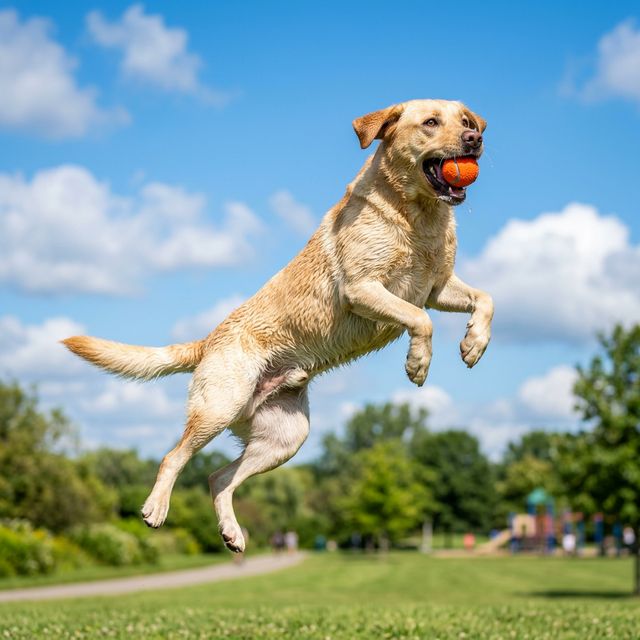
Fetch is the simplest form of dog exercise and the one that wears dogs out fastest. Ten minutes of all-out sprinting after a ball burns more energy than a 30-minute walk. But not every dog chases the same thing, and not every fetch toy survives the retrieval. Indoor brains still need work on rainy days: interactive puzzle toys. Flat-faced chewers need a different diameter: best toys for French Bulldogs. The cluster lives on /toys/.
This ranking compares standard balls, launcher systems, and water-friendly options from manufacturer specs and verified buyer reports across retrieving breeds, high-drive pointers, and short-burst brachycephalic dogs. It is desk research, not an in-house fetch diary.
Standard Fetch Balls
Best Overall: Chuckit! Ultra Ball
The benchmark that every other fetch ball is compared against. High-bounce natural rubber that’s thicker and more durable than a tennis ball. The bright orange color is visible in tall grass, and the textured surface is easy for dogs to grip without the felt coating that wears down tooth enamel.
Verified buyers report months of daily fetch on the same Ultra Ball with only minor tooth marks and no structural damage. Compare that to a standard tennis ball, which typically lasts about two weeks before the felt peels and the rubber underneath starts to crack.
On the listing, match size (Small / Medium / Large) to the dog’s jaw so the ball cannot be swallowed. Confirm “Ultra Ball,” not a no-name orange rubber clone.
Pros:
- Extremely durable high-bounce rubber
- No felt coating (protects tooth enamel)
- Compatible with Chuckit launchers
- Floats in water
Cons:
- Slightly too large for very small dogs (get the Small size)
- More expensive per ball than tennis balls
Best Budget: KONG SqueakAir Tennis Balls
If your dog destroys balls too fast to justify premium options, these split the difference. Squeaker inside, non-abrasive felt (KONG’s felt doesn’t damage enamel like standard tennis ball felt), and sold in packs of 6.
The squeaker adds motivation for dogs that lose interest in silent balls. Owner reports on pointers and other sight-driven dogs say the noise on impact keeps the chase going after a plain tennis ball has been ignored.
Pros:
- Squeaker adds engagement
- Non-abrasive felt
- Sold in multi-packs
- Standard tennis ball size
Cons:
- Squeaker dies after heavy chewing
- Not as durable as solid rubber options
Ball Launchers
Best Launcher: Chuckit! Classic Launcher (26-inch)
The 26-inch launcher hits the sweet spot between throwing distance and control. It roughly triples your throwing range without requiring a windup that telegraphs to every dog in the park. The cup picks up a slobbery ball from the ground so you never touch it directly.
Two sizes matter: the 18-inch for small yards and indoor hallways, and the 26-inch for open parks and fields. The 26-inch is the one most people want. Confirm the cup size matches the Ultra Ball size you already own — mixed cups are a common marketplace bundle problem.
Pros:
- Triples throwing distance
- Hands-free ball pickup
- Lightweight, durable plastic
- Ergonomic grip
Cons:
- Not great for very small balls
- Plastic clip can wear loose over months of use
Best Automatic: iFetch Interactive Ball Launcher
For the dog whose fetch obsession outlasts your arm. The iFetch lets dogs drop a ball into the hopper and auto-launches it 10, 20, or 30 feet. Manufacturer guidance and owner reports say most dogs figure out the drop-and-wait cycle within a few sessions; a minority never make the connection.
This is a genuine help for high-energy breeds with owners who have physical limitations or just need a break. The listing must say mini tennis balls (proprietary size). Standard Chuckit or tennis balls will jam it.
Pros:
- Three distance settings
- Dogs can play independently
- Battery or AC powered
- Indoor-friendly at the 10-foot setting
Cons:
- Uses mini tennis balls only (proprietary size)
- Not every dog learns the self-serve mechanism
- Motor noise can startle noise-sensitive dogs
Water Fetch Toys
Best Floating Toy: Chuckit! Amphibious Bumper
Designed specifically for water retrieval. The bumper shape is easy for dogs to grab from the water surface, and the bright orange color stands out against lake water and waves. It floats high enough that dogs can spot it from a distance.
Owner reports on Labs and other water retrievers are consistent: the bumper stays visible, and a second bumper is useful so you can throw while the first is still coming back. The shape means it doesn’t bounce out of reach on land but flies straight and far when thrown over water. That is a water toy — do not buy it as a land-fetch substitute.
Pros:
- High-visibility floating design
- Easy for dogs to grip in water
- Durable nylon exterior
- Works in pools, lakes, and ocean
Cons:
- Not great for land fetch (doesn’t bounce)
- Absorbs some water over extended sessions
Best Multi-Use: Chuckit! Paraflight Flyer
A flying disc designed for water and land. The soft rubber edges are gentle on teeth during catches, and the aerodynamic shape flies farther and more accurately than a standard frisbee. It floats, which makes it perfect for lake and pool fetch sessions.
Pros:
- Floats high on water
- Soft edges won’t hurt teeth or gums
- Aerodynamic for long, accurate throws
- High visibility colors
Cons:
- Aggressive chewers will eventually damage the edges
- Not suitable for unsupervised chewing
Fetch Safety Tips
- Wait until growth plates close (12-18 months depending on breed) before playing on hard surfaces. Repetitive impact on developing joints causes damage.
- Limit sessions to 15-20 minutes. Fetch-obsessed dogs won’t stop voluntarily and will run until they injure themselves or overheat.
- Avoid throwing directly at walls or fences. Dogs that crash into barriers at full speed sustain injuries more often than you’d expect.
- Bring water. Even on cool days, 15 minutes of all-out sprinting dehydrates dogs quickly.
- Brachycephalic dogs need shorter sessions with longer recovery breaks. See our brachy breed guide for specific exercise limits. Power chewers need a different aisle: best toys for aggressive chewers.
Frequently Asked Questions
Are tennis balls safe for dogs?
Standard tennis balls have two issues: the felt coating wears down enamel over time, and the rubber can be a choking hazard if the dog compresses and swallows pieces. They’re fine for supervised fetch but shouldn’t be left as chew toys. Non-abrasive alternatives (Chuckit Ultra, KONG SqueakAir) are safer for daily use.
My dog won’t bring the ball back. How do I teach fetch?
Start with two identical balls. Throw one, and when the dog picks it up, show the second ball. Most dogs will drop the first ball to chase the second. Gradually increase the distance before showing the second ball. Trade treats for the ball to reinforce the return.
How far can a Chuckit launcher throw?
The 26-inch Classic Launcher throws 100-140 feet with a regular throw. Competitive Chuckit launchers can exceed 200 feet. For most dog park situations, 80-100 feet is plenty.
You Might Also Like
DogSupplyFinder Editorial Team
Editorial Team
Every recommendation on DogSupplyFinder starts with the paperwork — AAFCO guidelines, AVMA guidance, safety specifications — and ends with what real owners report after months of daily use. Rankings are never paid for.
Related reading
Same cluster on this site — live guides only.
Dog Tips, Deals & Gear Guides
Expert buying guides, breed-specific product picks, and honest gear reviews. Plus our free New Puppy Checklist for subscribers.
📬 No spam, ever. Unsubscribe anytime. · Get the free puppy checklist