Brachycephalic Breeds: What Every New Owner Needs to Know
Flat-faced dogs have unique health needs. Breathing issues, heat sensitivity, exercise limits, and the gear that actually helps.

Alex Corsa
Founder & Editor ·
📖 Table of Contents
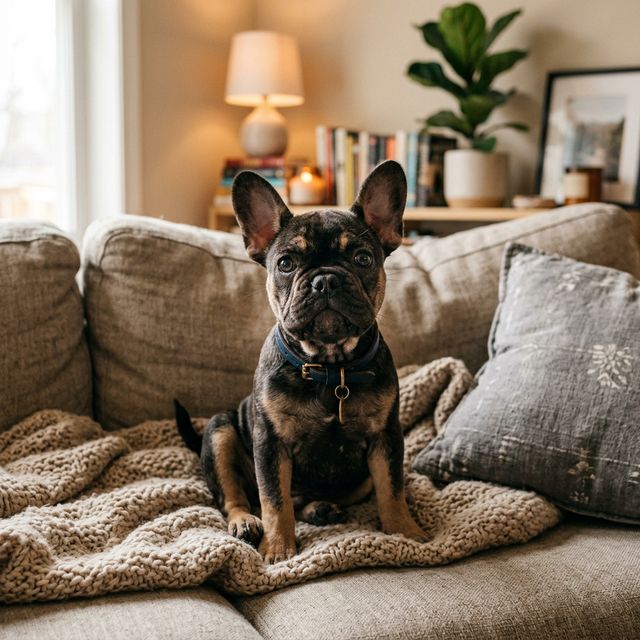
French Bulldogs are the most popular dog breed in America. Pugs, English Bulldogs, and Boston Terriers aren’t far behind. These breeds are charming, affectionate, and genuinely fun to live with. They also come with a set of health challenges that most pet store employees and many breeders won’t mention upfront.
This guide covers what brachycephalic (flat-faced) dogs need differently from other breeds, so you can keep yours healthy and comfortable.
What “Brachycephalic” Actually Means
The word means “short-headed.” Selective breeding shortened the skull bones, which compressed the airway structures inside. The soft palate is too long for the shortened skull, the nostrils are often narrowed (stenotic nares), and the trachea may be undersized. This is called Brachycephalic Obstructive Airway Syndrome (BOAS).
Not every flat-faced dog has severe BOAS. Some breathe relatively well. Others struggle with basic activities. The severity varies by individual dog, not just breed.
Common Brachycephalic Breeds
- French Bulldogs
- English Bulldogs
- Pugs
- Boston Terriers
- Cavalier King Charles Spaniels
- Shih Tzus
- Pekingese
- Boxers (mild)
- Bull Mastiffs (mild)
The Breathing Issue
That snoring sound your flat-faced dog makes isn’t cute. It’s the sound of air forcing through a narrowed airway. Some degree of noisy breathing is normal for these breeds, but there’s a line between “that’s just how they sound” and “this dog needs veterinary attention.”
Warning Signs of Serious BOAS
- Loud breathing that’s audible from across the room
- Blue or purple tongue during exercise (cyanosis)
- Collapsing or fainting after mild activity
- Gagging or vomiting when excited
- Sleep apnea (pausing breathing during sleep, then gasping)
- Needing to sleep sitting up or with the chin elevated
If you notice any of these, talk to your vet about BOAS grading. Some dogs benefit significantly from corrective surgery (soft palate resection and/or nare widening).
Heat Sensitivity
This is the one that kills flat-faced dogs. Literally. Dogs cool themselves by panting, which moves air across the moist surfaces of the mouth and airways. Brachycephalic dogs can’t move enough air to cool efficiently. On a hot day, they overheat faster than other breeds and have fewer ways to recover.
Temperature Rules
- Above 80F (27C): Limit outdoor time to bathroom breaks. Walk only in early morning or evening.
- Above 85F (29C): Outdoor exercise should not happen. Period.
- Above 90F (32C): Even short outdoor time is risky. Keep your dog indoors with air conditioning.
Cooling Strategies
- Always carry water and a collapsible bowl
- Use a cooling vest or bandana on warm days
- Wet their paw pads and belly (these cool faster than the coat)
- Never leave a brachycephalic dog in a parked car, not even for two minutes
- Provide shade and fresh water at all times outdoors
Exercise Limitations
Flat-faced dogs need exercise. They also need less of it and at lower intensity than most breeds. Finding the balance prevents both obesity (a major health risk for these breeds) and respiratory distress.
Safe Exercise Guidelines
- Walks: 20-30 minutes at a moderate pace, twice daily. Stop if the dog slows down or starts breathing heavily.
- Play: Short bursts of fetch or tug (5-10 minutes) with rest between rounds.
- Swimming: Supervise constantly. Many brachycephalic breeds are poor swimmers because their heavy heads and short legs create an unfavorable center of gravity. Life jackets are mandatory near water.
- No running: Sustained running generates too much heat for compromised airways to handle.
The goal: keep them active enough to maintain a healthy weight without pushing their breathing capacity.
Gear That Matters
The right equipment makes a real difference for flat-faced dogs. The wrong equipment can make breathing problems worse.
Harnesses, Not Collars
A collar puts pressure directly on the trachea when your dog pulls on the leash. For a dog that already has airway problems, this can cause coughing, gagging, and potentially tracheal collapse over time. Use a harness that distributes force across the chest. See our best harnesses for brachycephalic breeds for tested options.
Elevated Food and Water Bowls
Some flat-faced dogs eat and drink more comfortably from raised bowls because the angle reduces the neck compression that occurs when bending down. Slow feeders also help because brachycephalic dogs tend to eat too fast, which causes vomiting and increases air swallowing (aerophagia). See our best dog bowls for flat-faced breeds.
Crates with Good Ventilation
Wire crates provide better airflow than plastic crates. Since brachycephalic dogs overheat more easily, air circulation in the sleeping area matters. Check our crate recommendations for flat-faced breeds.
Eye Protection
Flat-faced dogs have shallow eye sockets, which means their eyes protrude and are more vulnerable to injury from branches, debris, and UV damage. Dog goggles aren’t a fashion statement for these breeds. They’re functional protection. See our best dog goggles for brachycephalic breeds.
Skin Fold Care
Those adorable wrinkles need daily maintenance. Skin folds trap moisture, bacteria, and yeast, creating infections that smell bad and cause itching, redness, and pain.
Daily Fold Cleaning Routine
- Wipe between each fold with a damp, soft cloth or unscented baby wipe
- Get into every crease, especially around the nose, under the eyes, and around the tail pocket
- Dry each fold thoroughly with a separate dry cloth
- Apply a thin layer of zinc-free barrier cream if your vet recommends it
Skip this routine for a week and you’ll likely notice redness, smell, or both.
Dental Issues
Short skulls mean crowded teeth. Brachycephalic breeds are prone to dental disease because their teeth don’t have normal spacing, creating pockets where bacteria thrive. Regular dental cleaning (both home brushing and professional cleanings) is more critical for these breeds than most.
What to Discuss with Your Vet
At your first brachycephalic dog visit, ask about:
- BOAS grading: How severe are their airway issues? Is surgery recommended?
- Weight management: Even 2-3 extra pounds significantly worsens breathing.
- Anesthesia risks: Brachycephalic dogs have higher anesthesia risk. Discuss protocols before any procedure.
- Spinal issues: Some brachycephalic breeds (especially Frenchies) are prone to intervertebral disc disease (IVDD). Know the warning signs.
The Bottom Line
Brachycephalic dogs are wonderful companions. They’re affectionate, often funny, and form deep bonds with their families. But owning one responsibly means understanding their limitations and adjusting your lifestyle to accommodate them. That means shorter walks, cooler environments, different gear, and more frequent vet visits than the average dog requires.
The payoff is a dog that will follow you from room to room, sleep on your feet, and make you laugh daily. Just be prepared for the maintenance that comes with the package.
Frequently Asked Questions
Are brachycephalic breeds good apartment dogs?
Generally yes. Their lower exercise needs and compact size make them well-suited to apartment living. The main concern is air conditioning. A flat-faced dog in a hot apartment without AC is a medical emergency waiting to happen.
How long do brachycephalic breeds live?
It varies by breed and individual health. French Bulldogs average 10-12 years, Pugs 12-15 years, English Bulldogs 8-10 years. Dogs that maintain a healthy weight and have less severe BOAS tend to live longer.
Should I get pet insurance for a brachycephalic breed?
Strongly consider it. These breeds have higher-than-average veterinary costs due to potential BOAS surgery, dental work, skin infections, and spinal issues. Insurance that covers hereditary conditions can save thousands over a dog’s lifetime.
You Might Also Like
Alex Corsa
Founder & Editor
Alex Corsa has owned and fostered dogs for over 12 years, with hands-on experience caring for everything from senior mastiffs to reactive rescues and brachycephalic breeds. He started DogSupplyFinder after spending two frustrating years testing gear that failed, broke, or simply didn't work as advertised. Every recommendation on this site has been vetted against real-world use — not affiliate commission rates. Alex cross-references veterinary guidelines and AAFCO regulations for all food and health content.
Dog Tips, Deals & Gear Guides
Expert buying guides, breed-specific product picks, and honest gear reviews. Plus our free New Puppy Checklist for subscribers.
📬 No spam, ever. Unsubscribe anytime. · Get the free puppy checklist