How to Measure Your Dog for a Harness: Step-by-Step Fitting Guide
Learn how to measure your dog for a perfect harness fit. Step-by-step guide with chest, neck, and weight measurements for every breed size.

Alex Corsa
Founder & Editor ·
📖 Table of Contents
Affiliate Disclosure: As an Amazon Associate, we earn from qualifying purchases. This comes at no extra cost to you and helps support our independent testing and reviews. We only recommend products we genuinely believe in.
A harness that fits properly distributes force across the chest without rubbing, pinching, or allowing escape. A harness that doesn’t fit is worse than useless - it either chafes under the armpits creating raw spots, sits so loosely that the dog steps out of it, or restricts shoulder movement in a way that alters your dog’s gait.
Getting the fit right takes three measurements and two minutes. Here’s how.
The Three Measurements You Need
1. Chest Girth (Most Important)
This is the primary sizing measurement for almost every harness brand.
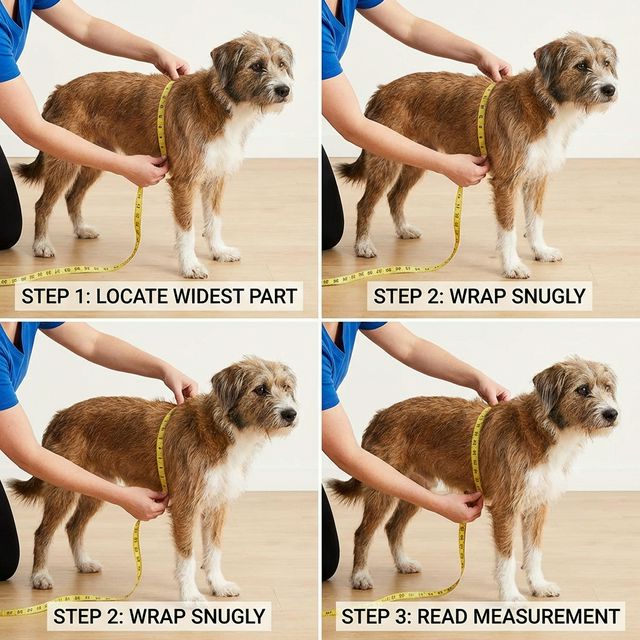
Where to measure: The widest part of the ribcage, directly behind the front legs. Wrap the measuring tape around the body at armpit level.
How to get an accurate measurement: - Have your dog stand naturally (not sitting)
- Pull the tape snug against the coat without compressing it
- The tape should be parallel to the ground, not angled
- Read where the tape overlaps
Common mistake: Measuring too far forward (over the shoulders) or too far back (the belly). The widest point of the ribcage is right behind the front legs.
2. Neck Circumference
Some harnesses, particularly those with overhead loops, require a neck measurement in addition to chest girth.
Where to measure: Mid-neck, where a collar would sit - roughly halfway between the ears and shoulders.
How to measure: Same technique as chest: snug tape, not compressing, dog standing.
3. Weight
Many harnesses size by weight range as a secondary check. Weigh your dog on a bathroom scale (step on holding your dog, then step on without your dog; subtract).
Weight alone doesn’t determine harness size - a 50-pound deep-chested Whippet and a 50-pound barrel-chested Bulldog need very different harness sizes. But weight helps confirm you’re in the right size range.
Size Chart (General Guide)
| Size | Chest Girth | Weight Range | Breed Examples |
|---|---|---|---|
| XS | 12-16” | 5-10 lbs | Chihuahua, Yorkie, Toy Poodle |
| S | 16-20” | 10-25 lbs | Pug, Shih Tzu, French Bulldog |
| M | 20-26” | 25-50 lbs | Beagle, Cocker Spaniel, Corgi |
| L | 26-32” | 50-80 lbs | Lab, Golden Retriever, GSD |
| XL | 32-40” | 80-120 lbs | Rottweiler, Great Dane, Mastiff |
These are approximate. Every harness brand has its own sizing chart. Always check the manufacturer’s specific measurements rather than assuming “Large” means the same thing across brands.
How to Test the Fit
After putting on the harness:
The Two-Finger Rule
Slide two fingers (flat, side by side) under every strap:
- Chest strap: Two fingers should fit between the strap and the ribcage
- Neck strap: Two fingers between the strap and the neck
- Belly strap (if applicable): Two fingers between the strap and the belly
If you can’t fit two fingers: too tight. Loosen or size up. If three or more fingers slide in easily: too loose. Tighten or size down.
The Movement Test
With the harness fitted:
- Walk your dog normally and watch for chafing. Look for the harness rubbing against the armpit area.
- Let your dog sit, lie down, and stand. The harness should allow all positions without bunching or shifting.
- Check shoulder movement. The front straps should not cross directly over the shoulder blade or restrict front leg extension. A properly fitting harness sits behind the shoulders.
The Escape Test
Gently pull the harness backward (toward the tail) while holding the leash attachment point. If the harness slides forward over the head, it’s too loose around the chest. Tighten the chest strap or size down.
Harness Types and Fit Differences
Step-In Harness
Your dog steps into two holes with their front legs, and you clip the harness together at the back. Good for dogs that resist things going over their head.
Fit priority: Chest girth. Most step-in harnesses are adjustable at the chest and sometimes at the back strap.
Over-the-Head Harness
The harness slips over the dog’s head and clips under the belly. This is the most common design for front-clip (anti-pull) harnesses.
Fit priority: Both neck and chest. The neck opening needs to be large enough to slide over the head without discomfort, and the chest strap needs to be snug enough to prevent escape.
Vest Harness
A padded vest that covers more of the chest surface. Distributes pressure broadly and evenly. Popular for small breeds and brachycephalic dogs.
Fit priority: Chest girth and length (from chest to belly). Vest harnesses that are too long can restrict rear leg movement or ride up against the groin.
Special Considerations
Brachycephalic Breeds
Pugs, French Bulldogs, Boston Terriers, and similar breeds have wide, barrel-shaped chests relative to their neck size. They often need a size up from what their weight would suggest. The chest strap is the critical measurement - their chests can be as large as dogs twice their weight.
Deep-Chested Breeds
Greyhounds, Whippets, Dobermans, and similar breeds have deep, narrow chests. Standard harnesses may gap on the sides while being tight across the sternum. Look for harnesses with multiple adjustment points or brands that offer narrow-chest options.
Puppies
Measure frequently and buy adjustable harnesses. A growing puppy may need a new harness every 2-3 months. Don’t invest in expensive harnesses until your dog reaches adult size - usually around 12-18 months.
Between Sizes
If your measurement falls between two sizes, consider the harness design:
- Front-clip harness (anti-pull): Size down. A slightly snug fit provides better steering control.
- Back-clip harness (comfort): Size up. A slightly loose fit is more comfortable for the dog.
When to Replace a Harness
- Fraying at stress points (where straps meet hardware)
- Buckle or clip failure (won’t lock securely)
- Padding compression (vest harnesses where the padding has gone flat)
- Chafing that wasn’t present before (the harness has stretched or warped)
- Growth in puppies or weight change in adults
Most nylon harnesses last 1-2 years with daily use. Biothane and leather harnesses last 3-5 years. Hardware failure (buckles and clips) is usually the first point of failure, not the straps.
For harness and collar recommendations, see our best dog collars guide and collar types comparison.
Frequently Asked Questions
My dog has a small head but thick chest - should I use a step-in harness?
Yes. Step-in harnesses avoid the head entirely, so they work well for dogs where the head is much narrower than the chest (common in Bulldogs and Pit Bull types). Over-the-head designs may be too tight at the chest by the time the neck loop is open enough to clear the head.
Can I leave a harness on my dog all day?
Short answer: not ideal. Harnesses can cause matting in long-coated breeds and chafing if worn continuously. Use the harness for walks and outings, then remove it at home. For all-day identification, use a flat collar with ID tags.
Why does my dog’s harness rotate to one side during walks?
The chest strap is too loose on one side, or the harness isn’t centered. Adjust both sides equally so the D-ring sits centered on the spine (back-clip) or centered on the sternum (front-clip). If the harness still rotates, the size or style may not match your dog’s body shape.
Should I use a harness or a collar for walking?
For most dogs, a harness is better for walking because it distributes leash pressure across the chest rather than concentrating it on the neck. Collars are better for holding ID tags and for dogs that walk calmly without pulling. Many trainers recommend both: a flat collar for ID and a harness for the leash attachment.
You Might Also Like
Alex Corsa
Founder & Editor
Alex Corsa has owned and fostered dogs for over 12 years, with hands-on experience caring for everything from senior mastiffs to reactive rescues and brachycephalic breeds. He started DogSupplyFinder after spending two frustrating years testing gear that failed, broke, or simply didn't work as advertised. Every recommendation on this site has been vetted against real-world use — not affiliate commission rates. Alex cross-references veterinary guidelines and AAFCO regulations for all food and health content.
Dog Tips, Deals & Gear Guides
Expert buying guides, breed-specific product picks, and honest gear reviews. Plus our free New Puppy Checklist for subscribers.
📬 No spam, ever. Unsubscribe anytime. · Get the free puppy checklist