Dog Collar Comparison: Every Type Ranked
Find the best dog collar for your breed. Flat, martingale, smart, and waterproof collars compared by durability, comfort, and value.

Alex Corsa
Founder & Editor ·
📖 Table of Contents
Affiliate Disclosure: As an Amazon Associate, we earn from qualifying purchases. This comes at no extra cost to you and helps support our independent testing and reviews. We only recommend products we genuinely believe in.
A dog collar is the one piece of equipment your dog wears every day for its entire life. The wrong one rubs, slips, or falls apart. The right one disappears - your dog forgets it’s there.
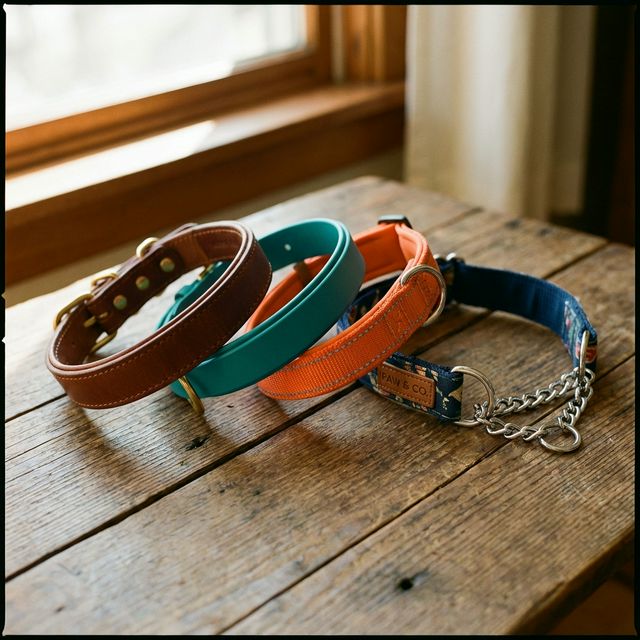
The collar market has expanded well beyond the basic nylon strip. You can now choose from flat collars, martingales, waterproof Biothane options, personalized embroidered designs, and smart collars with GPS tracking built in. Prices range from $8 to over $600, and the differences between them matter more than most owners realize.
Here’s a breakdown of every collar type, who each one is best for, and the specific models worth buying in 2026.
Collar Types Explained
Flat Collars
The standard. A strip of nylon, leather, or synthetic material with a buckle or quick-release clip and a D-ring for leash attachment. This is what most dogs wear every day.
Best for: Everyday identification and leash attachment for dogs that walk calmly on leash Not ideal for: Dogs that pull hard (excessive pressure concentrates on the throat) or breeds with head-to-neck proportions that allow easy slip-outs
Martingale Collars
A collar with two loops. The larger loop goes around the dog’s neck. When the dog pulls or backs away, the smaller loop tightens the collar snugly - enough to prevent escape but not enough to choke. When the dog stops pulling, the collar loosens immediately.
Best for: Sighthounds (Greyhounds, Whippets, Italian Greyhounds) whose heads are narrower than their necks, and dogs that have learned to back out of flat collars Not ideal for: Unsupervised wear - the loose fabric can snag on objects. Martingales are walk-and-training collars, not leave-on-all-day collars.
Biothane / Waterproof Collars
Made from polyester webbing coated in PVC or TPU. Biothane looks like leather but is completely waterproof, doesn’t absorb odors, resists mold, and cleans with a wipe. Virtually indestructible under normal use.
Best for: Dogs that swim, roll in mud, or live in humid climates where traditional materials develop funk Not ideal for: Owners who prioritize the look and feel of genuine leather
Smart Collars
Collars with GPS tracking, activity monitoring, and sometimes virtual fence capabilities built in. These are full technology platforms, not just identification holders.
Best for: Escape artists, dogs off-leash in unfenced areas, and owners who want activity and health data Not ideal for: Very small dogs (collars are typically bulky), or owners who don’t want another device to charge
Best Flat Collars
Ruffwear Crag Reflective Collar
Ruffwear builds gear for working and adventure dogs, and the Crag reflects that heritage. The collar uses a strong, low-profile aluminum V-ring that lies flat against the neck, reflective trim for nighttime visibility, and a side-release buckle that’s quick to put on and take off.
The webbing is soft enough for daily comfort but stands up to heavy outdoor use. Separate attachment points for the leash and ID tags keep everything organized.
Price: Around $25-$30 Why we recommend it: Durable enough for trail dogs, comfortable enough for couch dogs. The reflective trim adds real nighttime safety value.
Alpine Dog Co. Collar
Made from 1050 denier ballistic nylon - the same material used in tactical gear and heavy-duty luggage. Triple-stitched seams and solid metal hardware (not welded, not plastic). This collar is built for dogs that destroy everything else.
Price: Around $30-$45 Why we recommend it: If your dog has broken other collars, start here. The materials and construction are a step above consumer-grade pet products.
Blueberry Pet Essentials Classic
The best budget option. Available in over 20 colors, made from high-density nylon with a matching quick-release buckle. The D-ring is sturdy enough for daily walks, and the collar holds up well for its price point.
Price: Around $8-$12 Why we recommend it: If you need a reliable collar and don’t want to spend $30+, this is the one. It won’t last as long as premium options, but at this price you can replace it yearly without thinking about it.
Filson Nylon Dog Collar
Filson makes outdoor clothing and gear that lasts decades, and their dog collar follows the same philosophy. Washable, fast-drying nylon with rustproof hardware. Particularly good for dogs that spend time in water - the collar dries fast and doesn’t develop the wet-dog-collar smell.
Price: Around $35-$50 Why we recommend it: A buy-it-once collar that handles water, dirt, and daily abuse. The rustproof hardware is a meaningful advantage over cheaper collars that develop corroded buckles.
Best Martingale Collars
Ruffwear Web Reaction
An Editors’ Choice across several review publications. The Ruffwear Web Reaction combines martingale tightening with a standard buckle, so you don’t have to slip it over your dog’s head (which many dogs hate). Reflective stitching for visibility.
The fit adjustment is intuitive and stays where you set it. The webbing width distributes pressure comfortably even when the collar engages.
Price: Around $30-$35 Why we recommend it: The buckle plus martingale combination solves the most common complaint about martingales - having to wrestle them on and off.
PetSafe Quick Snap Buckle Martingale
The most recommended budget martingale. Quick-snap buckle for easy on/off, nylon construction, and a straightforward adjustment system. Available in multiple sizes for dogs 5 to 130+ pounds.
The correction is gentle - enough to prevent escape but nowhere near the force of a choke chain. First-time martingale users often feel more comfortable starting with this model because the correction is mild.
Price: Around $10-$15 Why we recommend it: Affordable, effective, and widely available. If you want to try a martingale without investing much, this is the starting point.
Frisco Solid Nylon Martingale with Buckle
Another strong budget option from Chewy’s house brand. Side-release buckle, separate D-rings for the leash and ID tags (a thoughtful detail at this price), and available in a wide range of colors and sizes.
Price: Around $8-$12 Why we recommend it: The separate ID tag ring is a feature you usually only find on collars costing two or three times as much.
Best Waterproof / Biothane Collars
Biothane Adjustable Collar (various brands)
Biothane is a material, not a brand. Several companies make excellent Biothane collars. The material is virtually indestructible - resistant to mold, mildew, odors, UV damage, extreme cold, and extreme heat. It looks and feels similar to leather but wipes clean with a wet cloth.
Popular Biothane collar brands include Rogue Royalty, Brahma Webb, and numerous small makers on Etsy and Amazon. Look for solid hardware (nickel-plated or brass) and adjustable sizing.
Price: $20-$50 depending on brand and hardware Why we recommend it: If your dog swims, gets muddy, or simply smells terrible after wearing a nylon collar for a week, Biothane solves all of those problems permanently.
Ruffwear Confluence Waterproof Collar
Purpose-built for water dogs. Fully waterproof webbing dries almost instantly. The Talon Hook closure is designed for quick on/off even with wet, cold hands. Reflective trim for visibility.
Price: Around $35-$40 Why we recommend it: Specifically designed for dogs that are in and out of water regularly. The quick-dry time prevents the lingering wet-collar smell.
Best Smart Collars
Fi Series 3+
The Fi has become the default recommendation for GPS dog tracking. Real-time location tracking, activity monitoring, sleep tracking, and Lost Dog Mode that cranks up tracking frequency and alerts your emergency contacts.
The standout: battery life of 3+ months in standard mode. Other GPS collars need charging every day or two. Fi charges once a season and tracks all the same data.
Price: Collar module around $149; subscription from $8/month (or $99/year) Why we recommend it: Battery life alone puts it in a different category. Charging a dog collar weekly is annoying. Charging it quarterly is barely noticeable.
Halo Collar 4
A premium GPS collar with virtual fence capabilities and Cesar Millan’s training program built into the app. Dual-band GPS with 1.4-foot accuracy and connection to 35 satellites. Saves up to 20 virtual fence configurations.
This is more than a collar - it’s a containment system, tracker, activity monitor, and training platform in one device. Whether you need all that depends on your situation.
Price: $549-$599 for the collar; monthly subscription starting at $10-$20. Why we recommend it: If you need both a GPS tracker and a wireless fence, the Halo replaces two separate products. See our wireless fence guide for a detailed comparison.
How to Measure for a Collar
- Use a soft measuring tape (or a piece of string you measure afterward)
- Wrap it around the widest part of your dog’s neck - usually just below the ears
- Add 2 inches for comfort (you should be able to fit two fingers between the collar and neck)
- Order the size that includes your measurement in its adjustment range
Common mistake: Measuring at the base of the neck (near the shoulders) instead of where the collar actually sits. The base measurement can be 2-3 inches larger, resulting in a collar that rides up.
Collar Sizing by Breed
| Breed Size | Neck Size | Collar Width |
|---|---|---|
| Toy (Chihuahua, Yorkie) | 8-12” | 3/8” - 1/2” |
| Small (French Bulldog, Pug) | 12-16” | 1/2” - 3/4” |
| Medium (Beagle, Bulldog) | 14-20” | 3/4” - 1” |
| Large (Lab, Golden) | 16-24” | 1” - 1.5” |
| Giant (Great Dane, Mastiff) | 22-30” | 1.5” - 2” |
Wide collars distribute pressure better for large, strong dogs. Narrow collars are more comfortable for small breeds and sit between the jaw and shoulders without bunching.
When to Replace Your Dog’s Collar
Replace the collar when you notice:
- Fraying at the edges or stitching points
- Buckle wear - plastic buckles crack, metal buckles develop rough edges
- Color fading that suggests UV degradation of the material
- Stretching that prevents proper fit adjustment
- Hardware corrosion on the D-ring or adjustment slider
Most nylon collars last 1-2 years with daily use. Leather lasts 3-5 years with conditioning. Biothane can last 5+ years. Smart collars depend on the electronics - expect 2-3 years before battery degradation becomes noticeable.
For collar-adjacent gear, see our harness guide and dog ID tag guide.
Frequently Asked Questions
Should I use a collar or a harness?
Both serve different purposes. A collar holds ID tags and works for calm leash walkers. A harness distributes pulling force across the chest, which is better for dogs that pull and essential for brachycephalic breeds with delicate throats. Many owners use both - collar for ID, harness for walking.
Can I leave a martingale collar on all day?
Not recommended. The loose loop can catch on crate wire, branches, or furniture. Use a martingale for walks and training, and switch to a flat collar or no collar for unsupervised time at home.
How tight should a dog collar be?
You should be able to slide two fingers between the collar and your dog’s neck - snug enough that it won’t slip over the ears, loose enough that it doesn’t restrict breathing or cause chafing.
Do puppies need a different collar than adult dogs?
Puppies grow fast. Buy an adjustable collar in the appropriate puppy size rather than an adult collar “they’ll grow into.” A collar that’s too loose is useless for leash control, and a dangling collar can catch on objects. Expect to buy 2-3 collars before your puppy reaches adult size.
Why does my dog’s collar smell terrible?
Nylon and fabric collars absorb moisture, bacteria, and skin oils. Wash the collar weekly with soap and water, or switch to a waterproof Biothane collar that doesn’t absorb anything. Leather collars develop odor too - conditioning them with leather balm helps.
You Might Also Like
Alex Corsa
Founder & Editor
Alex Corsa has owned and fostered dogs for over 12 years, with hands-on experience caring for everything from senior mastiffs to reactive rescues and brachycephalic breeds. He started DogSupplyFinder after spending two frustrating years testing gear that failed, broke, or simply didn't work as advertised. Every recommendation on this site has been vetted against real-world use — not affiliate commission rates. Alex cross-references veterinary guidelines and AAFCO regulations for all food and health content.
Dog Tips, Deals & Gear Guides
Expert buying guides, breed-specific product picks, and honest gear reviews. Plus our free New Puppy Checklist for subscribers.
📬 No spam, ever. Unsubscribe anytime. · Get the free puppy checklist