Understanding Dog Aggression: Types, Causes, and What to Do
Types of dog aggression, warning signs, and when to seek professional help from a behaviorist.

DogSupplyFinder Research Team
Product Research ·
📖 Table of Contents
Aggression Is a Symptom, Not a Diagnosis
When an owner says “my dog is aggressive,” a behaviorist asks “what kind of aggression?” There are many types, each with different triggers and different treatment plans.
Types of Aggression
Fear Aggression (The Most Common)
The dog is scared and has learned that biting or snapping makes the scary thing go away. Fear-aggressive dogs typically display defensive body language: cowering, ears pinned back, tail tucked, lip retracted. They bite when cornered or when they cannot escape.
Fear-based work starts with helping a fearful dog build confidence. If the panic is specifically about you leaving, see separation anxiety.
Resource Guarding
The dog threatens or bites when someone approaches their food, toys, sleeping spot, or even a specific person. This is a normal canine survival behavior that becomes dangerous in a domestic setting.
For more on this topic, see our guide on Understanding Dog Play Styles: Rough Play, Chase Play, and Wrestling.
Territorial Aggression
The dog is aggressive toward people or animals that enter their perceived territory (home, yard, car). This often manifests as intense barking and lunging at the door or fence.
Leash Reactivity (Frustration-Based)
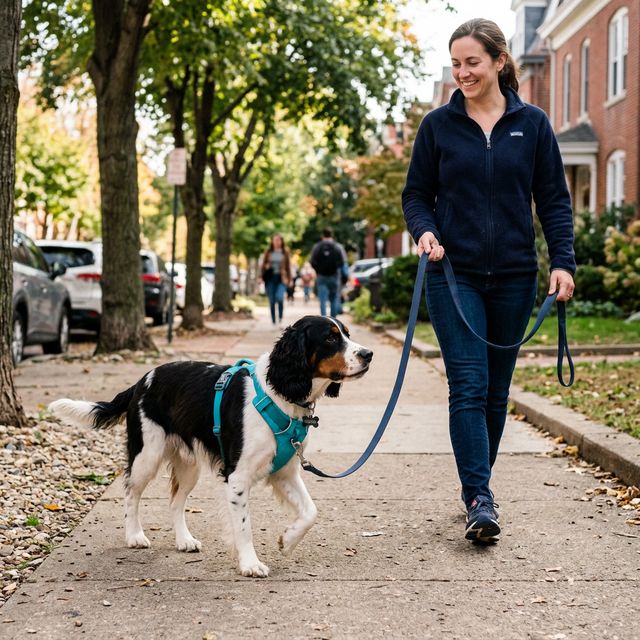
The dog barks, lunges, and snaps at other dogs or people while on leash but is fine off leash. The leash prevents them from performing normal greeting behavior, causing frustration that looks like aggression.
Pain-Induced Aggression
A dog in pain may bite if touched in a sensitive area. This is reflexive, not behavioral. A normally gentle dog that suddenly snaps when you touch their hip may have a joint injury.
Predatory Aggression
The dog chases and attacks small animals or, dangerously, small children. This is driven by prey drive, not anger, and is the most dangerous form because it occurs silently (no warning growls) and without the typical fear/stress signals.
What to Do
- Do not punish aggression. Punishment suppresses the warning signals (growling, lip curling) without addressing the underlying emotion. A dog that has been punished for growling will skip the warning and go straight to biting.
- Identify the trigger. What specifically causes the aggression? Strangers? Other dogs? Food bowl? Children?
- Manage the environment. Prevent the dog from being put in situations where they are triggered while you work on the problem.
- Consult a professional. Aggression requires the expertise of a board-certified veterinary behaviorist (DACVB) or a certified applied animal behaviorist (CAAB). A regular dog trainer is not qualified to treat aggression safely.
- Consider medication. Many aggressive dogs benefit from anti-anxiety medication in conjunction with behavioral modification.
DogSupplyFinder Research Team
Product Research
Our research team analyzes ingredient lists, AAFCO feeding standards, safety specifications, and thousands of verified owner reviews, with particular attention to breed-specific needs such as brachycephalic breeds and dogs with dietary sensitivities. Evaluations prioritize safety specs, third-party certifications, and manufacturer quality controls over marketing language.
Dog Tips, Deals & Gear Guides
Expert buying guides, breed-specific product picks, and honest gear reviews. Plus our free New Puppy Checklist for subscribers.
📬 No spam, ever. Unsubscribe anytime. · Get the free puppy checklist