Why Dogs Dig and How to Redirect the Behavior
Dogs dig for specific reasons. Boredom, prey drive, temperature regulation, and anxiety all require different fixes.

Alex Corsa
Founder & Editor ·
📖 Table of Contents
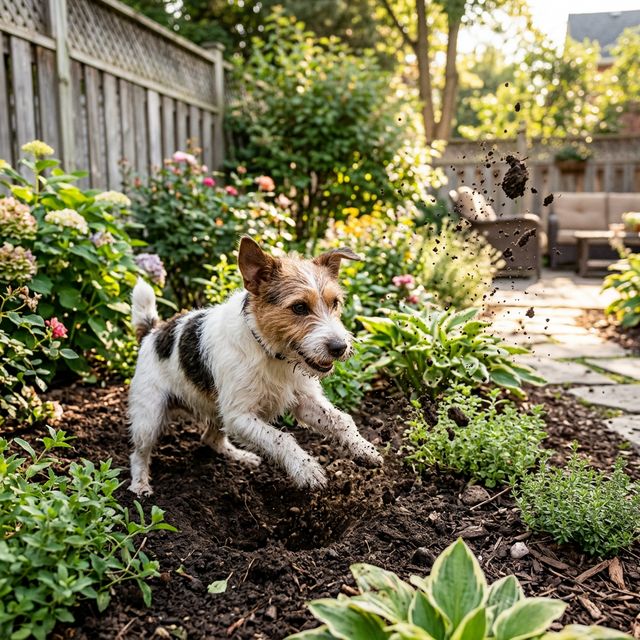
Digging is normal dog behavior. Wolves dig dens. Terriers were bred to dig after burrowing prey. Arctic breeds dig to create cool resting spots. The problem is that your yard isn’t a den, and your garden isn’t a hunting ground.
Before trying to stop the digging, figure out why your dog does it. The solution depends entirely on the cause.
Reason 1: Boredom
The most common cause. A dog left alone in the yard with nothing to do will create something to do. Digging is engaging because the smells change at different soil depths, insects and roots provide moving targets, and the act itself burns energy.
Signs it’s boredom: The digging happens when the dog is alone, there are multiple holes in random locations, and the dog doesn’t seem to be looking for anything specific.
Fixes:
- Increase daily exercise. A tired dog doesn’t dig.
- Add mental stimulation: puzzle toys, snuffle mats, and training sessions
- Don’t leave the dog unattended in the yard for long periods
- Consider doggy daycare if you’re gone during the day
- See our interactive toy guide for boredom-busting options
Reason 2: Prey Drive
Terriers, Dachshunds, and other breeds with strong prey drive dig to get at underground critters. Moles, voles, and ground squirrels leave scent trails that some dogs find irresistible.
Signs it’s prey drive: Digging focused on specific spots (where animals burrow), intense concentration while digging, and sniffing deeply at the hole during breaks.
Fixes:
- Address the pest problem first. Remove the moles and the digging stops.
- Keep the dog on a leash in the yard during peak rodent activity (dawn and dusk)
- Provide an approved digging area (see below) as an outlet for the behavior
Reason 3: Temperature Regulation
Dogs dig shallow pits in dirt because the soil below the surface is cooler than the air. This is especially common in summer with heavy-coated breeds.
Signs it’s temperature: Digging happens on hot days, the dog lies in the hole after making it, and holes are shallow and wide rather than deep.
Fixes:
- Provide shade structures in the yard
- Set up a kiddie pool with a few inches of water
- Bring the dog indoors during the hottest hours
- Check out our cooling products guide for outdoor options
Reason 4: Escape Attempts
Dogs that dig along fence lines are trying to get out. Something on the other side is motivating them: a female in heat, other dogs, wildlife, or general anxiety about being confined.
Signs it’s escape: Digging only happens at the fence line, holes are elongated along the fence rather than round, and the dog may also climb or jump at the fence.
Fixes:
- Bury chicken wire or hardware cloth along the fence line (L-shaped, extending 12 inches inward)
- Pour concrete at the fence base
- Address what’s attracting the dog outside the fence
- Spay or neuter if hormones are the driver
- For anxiety-related escape attempts, consult a veterinary behaviorist
Reason 5: Hiding Food or Toys
Dogs bury valued items as an instinctive food-caching behavior. Even well-fed dogs do this because the instinct is hardwired.
Signs: The dog carries something to the yard and deliberately buries it, then checks the spot later.
Fixes: This is mostly harmless. If the yard damage bothers you, limit what the dog takes outside to items you don’t mind losing. Feed meals indoors so the dog doesn’t feel the need to stash food.
Reason 6: Anxiety and Stress
Dogs with separation anxiety or noise phobias sometimes dig compulsively as a stress response. It’s repetitive, frantic, and usually directed at specific locations (doors, fence corners, under the house).
Signs: Frantic, repetitive digging with glazed eyes, panting, or trembling. Often paired with other anxiety behaviors like whining, pacing, or destructiveness.
Fixes: This requires addressing the underlying anxiety, not the digging itself. Consult your vet about anxiety management. Punishment will make anxiety worse.
The Approved Digging Zone
If your dog is a committed digger, giving them a designated spot is often more effective than trying to eliminate the behavior entirely.
- Choose a corner of the yard that you don’t care about
- Loosen the soil or fill a sandbox-sized area with a sand/soil mix
- Bury treats and toys just below the surface
- Praise the dog enthusiastically when they dig there
- Redirect to the zone when they start digging elsewhere
Most dogs pick it up within 1-2 weeks. They get their digging fix, and your garden survives.
What Doesn’t Work
- Filling holes with water: The dog will dig a new hole
- Putting poop in the holes: Some dogs don’t care
- Punishment after the fact: Dogs can’t connect punishment with something they did 30 minutes ago
- Yelling: Adds stress, which can increase digging if anxiety is the cause
- Cayenne pepper in the soil: Cruel and temporary
Frequently Asked Questions
At what age do dogs stop digging?
Digging often decreases with age, but some breeds never stop entirely. Terriers and Dachshunds may dig their whole lives. The behavior usually peaks between 6 months and 2 years, coinciding with peak energy levels.
Should I punish my dog for digging?
No. Punishment doesn’t teach the dog what to do instead. Redirect to an approved activity (digging zone, chew toy, walk) every time you catch them in the act. Praise the redirection.
My dog digs at carpets and beds. Is this the same behavior?
Scratching and circling before lying down is nest-making behavior, not the same as yard digging. If the dog is frantically clawing at carpets or doors, that’s likely anxiety and needs a different approach.
You Might Also Like
Alex Corsa
Founder & Editor
Alex Corsa has owned and fostered dogs for over 12 years, with hands-on experience caring for everything from senior mastiffs to reactive rescues and brachycephalic breeds. He started DogSupplyFinder after spending two frustrating years testing gear that failed, broke, or simply didn't work as advertised. Every recommendation on this site has been vetted against real-world use — not affiliate commission rates. Alex cross-references veterinary guidelines and AAFCO regulations for all food and health content.
Dog Tips, Deals & Gear Guides
Expert buying guides, breed-specific product picks, and honest gear reviews. Plus our free New Puppy Checklist for subscribers.
📬 No spam, ever. Unsubscribe anytime. · Get the free puppy checklist