Best Dog Backpacks and Carriers for Hiking and Urban Adventures
Backpack carriers for small dogs, saddlebag packs for dogs who carry their own gear, and front carriers for city walks.

DogSupplyFinder Research Team
Product Research ·
📖 Table of Contents
Affiliate Disclosure: As an Amazon Associate, we earn from qualifying purchases. This comes at no extra cost to you and helps keep the DogSupplyFinder editorial desk publishing research-based guides. Recommendations come from specs and owner reports, not an in-house lab or a test fleet. See How We Make Money.
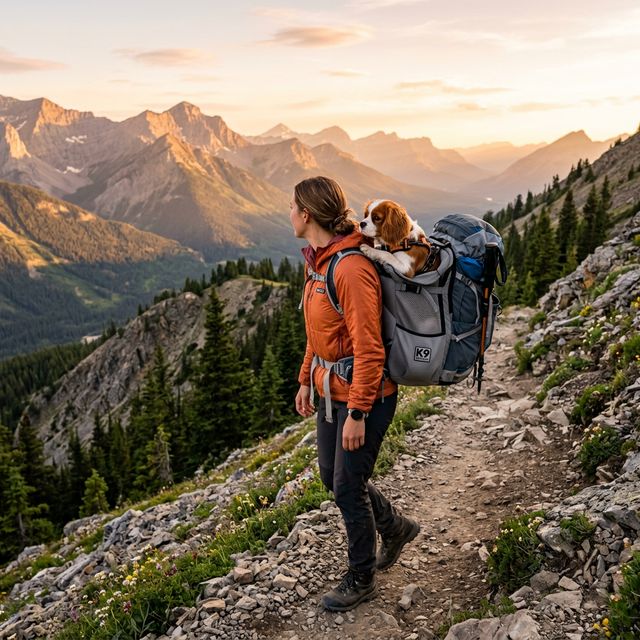
Dog backpacks fall into two categories: packs you wear to carry a small dog, and packs the dog wears to carry their own supplies. Both have practical uses beyond Instagram photos. Carrier backpacks let you take small dogs on trails they can’t handle alone. Dog-worn packs give high-energy breeds a job during walks and hikes, burning mental and physical energy simultaneously.
This page is the human-worn carrier / dog saddlebag / front sling ranking. Trail planning is hiking with your dog. Water on the move is travel bottles. Trip kits are travel gear. Paw surfaces are booties. The cluster is /accessories/.
Listing check (backpack / carrier): confirm who wears it (you vs the dog), stated weight limit, and interior or girth inches — not “medium.” Carrier photos reuse one mesh backpack across two dog sizes. Match backpack vs front sling vs saddlebag, zipper vs roll-top, and whether a safety tether is sewn in. Prefer New; used carriers arrive with stretched mesh and a mystery odor. Check Amazon’s return window — a pack that sags, rubs the armpits, or cannot clip to a walking harness is a common return. Recommendations come from specs and owner reports, not an in-house lab.
Who this page is for — and when to skip
Use this ranking if: you need to carry a small dog on stairs or trail sections they cannot do, or you want a saddlebag a medium/large dog can wear empty first. Skip a backpack carrier if: the dog is over the practical carry weight for your back, not just the listing’s 40 lb claim. Skip a saddlebag if: the dog is a puppy under 18 months, a long-backed breed, or a flat-faced dog that already pants hard — extra load is the wrong tool. Skip a legs-out front carrier if: the dog is over about 15 lb or hates being held. Skip this page if: the job is car restraint — that is car seats and barriers. Skip buying a pack at all if: a no-pull harness plus a bottle already covers the walk and the dog does not need a job or a lift.
| Use case | Buy | Skip |
|---|---|---|
| 10–20 lb city dog, stairs + transit | Ventilated backpack carrier | A saddlebag the dog cannot carry |
| 40–80 lb trail dog, empty-first training | Padded saddlebag + balanced load | Loading 25% body weight on day one |
| Crowds, anxious small dog | Legs-out front carrier | A backpack that puts the dog behind you |
| Brachycephalic, warm weather | Carry you do, short lifts only | A weighted saddlebag |
| Occasional vet trip | Budget backpack | A $180 hiking pack |
| All-day ridge hike, 18 lb dog | Padded-strap carrier + your fitness | A sagging budget pack past 45 minutes |
We researched both types, drawing on aggregated owner reviews covering hiking, city walks, and travel.
Dog Carrier Backpacks (You Carry the Dog)
Best Overall: K9 Sport Sack AIR Plus
The most engineered carrier backpack on the market. Padded shoulder straps with a sternum clip distribute weight across your upper body instead of just your shoulders. The mesh sides provide ventilation from every angle, and the adjustable interior strap keeps the dog at the right height (too low and they bounce against your back at every step).
Our 18-lb dog fit the Medium size comfortably. After initial suspicion, she settled in within 5 minutes and fell asleep during a two-mile hike. The padded interior and the dog’s ability to look over your shoulder or retreat deeper into the pack make it genuinely comfortable for the animal.
Weight limit: 30 lbs (Medium), 40 lbs (Large). These limits are generous. Personally, I wouldn’t carry more than 25 lbs for longer than an hour without serious hiking fitness.
Pros:
- Excellent weight distribution
- Multiple ventilation panels
- Storage pockets for human essentials
- Dog can face forward or tuck in
- Machine-washable interior liner
Cons:
- Expensive ($100-180 depending on size)
- Gets warm in summer (for you, not the mesh-ventilated dog)
- Not suitable for dogs over 30-35 lbs practically
On the listing, match K9 Sport Sack AIR Plus and the size whose weight limit you will actually carry. Confirm padded straps, sternum clip, and an interior tether. Skip if the dog is a weekend-only rider — a budget pack is enough.
Best Budget: PetAmi Deluxe Pet Carrier Backpack
About half the price of the K9 Sport Sack with 80% of the features. The ventilated mesh sides, padded base, and safety tether are all present. Where it falls short is strap padding (your shoulders feel 15+ lbs after 30 minutes) and the zipper quality (functional but not premium).
For occasional use — vet trips, short hikes, farmers markets — this is plenty. For serious all-day hiking, the K9 Sport Sack is worth the upgrade.
Pros:
- Affordable
- Adequate ventilation and safety clip
- Collapsible for storage
- Multiple carry options (backpack and front pack)
Cons:
- Shoulder straps lack sufficient padding for long carries
- Zipper quality is average
- Less structured (sags under heavier dogs)
- Size runs small
On the listing, match PetAmi Deluxe backpack carrier and the stated limit. Confirm it can be worn as a backpack, not only a front sling. Skip for all-day ridges — strap padding is the downgrade.
Dog Saddlebag Packs (Dog Carries Their Own Gear)
Best Overall: Ruffwear Approach Pack
Ruffwear makes the best dog gear, period. The Approach Pack fits over a padded use base with two saddlebags that sit balanced on the dog’s sides. Load capacity is 25-30% of the dog’s body weight (a 60-lb dog can carry up to 15-18 lbs of gear).
The saddlebags hold water bottles, collapsible bowls, poop bags, treats, and a basic first aid kit. On multi-hour hikes, having the dog carry their own water saves significant weight off your back.
The use portion doubles as a walking use with a leash attachment point on the back. The padded chest and belly panel distribute pack weight evenly.
Pros:
- Stable, balanced design
- High-quality materials and stitching
- Use doubles for daily walking
- Reflective trim for visibility
- Two sizes fit most medium to large dogs
Cons:
- Expensive ($80-100)
- Requires proper fitting (poor fit causes rubbing)
- Bags are not waterproof (use zip-lock bags for electronics)
- Not for brachycephalic breeds (weight adds breathing stress)
On the listing, match Ruffwear Approach Pack and the girth range, not “medium.” Confirm it is a dog-worn saddlebag, not a human backpack. Skip for puppies, long-backed breeds, and flat-faced dogs that already struggle in heat.
Best Budget: OneTigris Dog Saddlebag
A no-frills pack that works. MOLLE webbing on the outside lets you attach additional pouches. The ripstop nylon is water-resistant (not waterproof), and the pack has a top handle for lifting the dog over obstacles.
Pros:
- Affordable ($30-40)
- MOLLE attachment system for customization
- Top handle for lift assists
- Durable ripstop nylon
Cons:
- Less padding than Ruffwear
- Fit can be tricky (sizing runs large)
- Buckles feel cheaper
- Not as balanced under heavy loads
On the listing, match OneTigris dog saddlebag and the current buckle style. Confirm a top handle if you need lift-overs. Skip if you need a waterproof dry bag — use zip pouches inside.
Front Carriers (Urban Use)
Best Front Carrier: NICREW Legs Out Dog Carrier
For small dogs in crowded cities, farmers markets, or situations where a backpack puts the dog behind you (where they can’t see and get anxious). The legs-out design lets the dog face forward from your chest with their legs hanging naturally.
This looks ridiculous. It works extremely well. Small dogs with anxiety about crowds calm down significantly when they can see everything and feel your body heat. Weight limit is about 15 lbs.
Pros:
- Dog faces forward with full visibility
- Hands-free with adjustable straps
- Comfortable for both human and dog
- Easy to put on and remove
Cons:
- 15 lb weight limit
- Looks unusual (you’ll get comments)
- Not suitable for long walks (dog legs dangle)
- Not for dogs who don’t like being held
On the listing, match NICREW legs-out carrier and the ~15 lb ceiling. Confirm forward-facing, not a rear backpack. Skip for long hikes — dangling legs are a city/crowd tool.
Fitting a Dog Saddlebag Pack
A poorly fitted pack rubs, shifts during movement, and makes the dog hate wearing it.
- Measure the girth (around the widest part of the ribcage). Use the same tape habit as harness measuring.
- Check the weight limit. Start well under a quarter of body weight. Work up slowly over weeks if the dog stays sound. Treat “25–30%” as a ceiling on the listing, not a day-one target.
- Start empty. Let the dog wear the empty pack on several walks before adding weight.
- Balance the load. Equal weight on both sides prevents the pack from shifting and causing sores. Water bottles are the usual imbalance.
- Check for rubbing after each hike. Red spots or missing fur under straps means the fit needs adjustment — see signs a harness does not fit for the same chafe pattern.
How to use a human-worn carrier
Clip the interior tether to a harness, not a dangling collar. Load the dog on a bench or the hatch so you are not twisting your back. Adjust the dog high enough that they do not bounce on your lumbar, low enough that they can tuck. Sternum and hip belts (when the pack has them) do more than thicker shoulder pads.
Practice at home for a few minutes before a trail. A carrier the dog first meets at a trailhead is how you get clawing at mesh. For heat, mesh is not enough — rest in shade and carry water.
Maintenance
- Empty crumbs and sand from saddlebags after dusty trails. Grit in a zipper is a weekend failure.
- Hand-wash or gentle-cycle liners; hang dry. Heat shrinks mesh and warps foam bases.
- Inspect stitching at the handle and the leash ring. Those are the load points.
- Do not store a damp pack in a trunk. Mildew is the smell that makes the dog refuse it next time.
Common failure modes (skip-buy signals)
- Listing weight vs your back. A 40 lb “limit” is not a recommendation for a two-hour climb.
- Saddlebag on a puppy or a long back. Developing joints and long-backed breeds are skip-weight, not “lighten the load.”
- Saddlebag on a panting flat-faced dog. Extra work is the wrong summer tool — lift or shorten the hike instead.
- Carrier as a car seat. Packs are not crash-tested restraints. Use car seats or barriers in the vehicle.
- Instagram load. If the bags bounce, they are too heavy or unbalanced. Empty and refit.
Trail manners and distance planning stay on hiking with your dog. Winter layers that fight a pack sit on winter gear.
Frequently Asked Questions
Can any breed carry a backpack?
Most medium to large breeds can carry packs. Breeds with back problems (Dachshunds, Corgis) should avoid them. Brachycephalic breeds should not carry weight because the added exertion worsens breathing issues. Puppies under 18 months should not carry weight (developing joints).
How do I get my dog used to wearing a pack?
Same desensitization process as use training. Day 1: put it on, treat, remove after 2 minutes. Day 2-3: wear it around the house. Day 4-7: wear it on short walks, empty. Week 2: add a small amount of weight. Most dogs accept packs within 1-2 weeks.
Is it cruel to make dogs carry their own stuff?
Working breeds were literally developed to carry loads. A properly fitted, appropriately weighted pack gives high-energy breeds a sense of purpose on walks. Many dogs are visibly calmer and more focused when wearing a pack. It’s beneficial when done correctly.
You Might Also Like
DogSupplyFinder Research Team
Product Research
Our research team analyzes ingredient lists, AAFCO feeding standards, safety specifications, and thousands of verified owner reviews, with particular attention to breed-specific needs such as brachycephalic breeds and dogs with dietary sensitivities. Evaluations prioritize safety specs, third-party certifications, and manufacturer quality controls over marketing language.
Dog Tips, Deals & Gear Guides
Expert buying guides, breed-specific product picks, and honest gear reviews. Plus our free New Puppy Checklist for subscribers.
📬 No spam, ever. Unsubscribe anytime. · Get the free puppy checklist