The Risks of Homemade Dog Food (And How to Do It Safely)
Cooking for your dog sounds loving, but most homemade diets are nutritionally incomplete. Understand the risks before ditching commercial food.

DogSupplyFinder Research Team
Product Research ·
📖 Table of Contents
The Appeal of Homemade
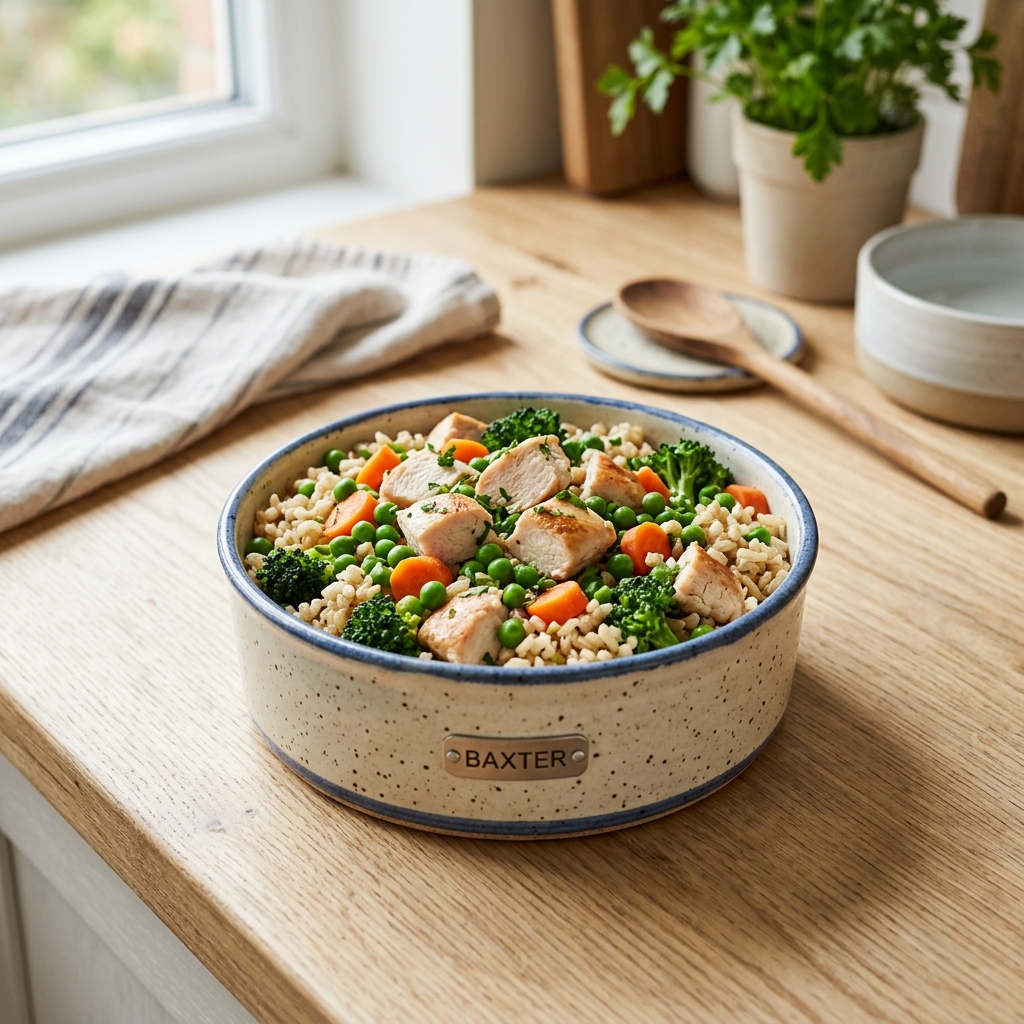
Many owners want to cook for their dogs because they distrust commercial pet food (especially after recalls), want to control ingredients for allergy management, or simply want to provide “real” food.
The Problem: Nutritional Imbalance
A landmark study published in the Journal of the American Veterinary Medical Association analyzed 200 homemade dog food recipes from books, websites, and veterinarians. The findings were alarming:
- 95% of the recipes were deficient in at least one essential nutrient.
- 84% were deficient in multiple nutrients.
- The most common deficiencies were zinc, choline, copper, EPA/DHA, calcium, vitamin D, and vitamin E.
Dogs require over 40 essential nutrients in specific ratios. Meat + rice + vegetables does not cover them. Raw feeding has a separate risk profile (bacteria, bone splinters) that we cover in raw diet for dogs: pros and cons.
For more on this topic, see our guide on Dog First Aid Kit: The Essential Supplies Every Owner Needs.
The Calcium Crisis
The most dangerous deficiency in homemade diets is calcium. Meat is very low in calcium. Without supplementation, a homemade diet creates a severe calcium-to-phosphorus imbalance that causes:
- In puppies: Skeletal deformities, fractures, and stunted growth.
- In adult dogs: Weakened bones (nutritional secondary hyperparathyroidism).
For more on this topic, see our guide on How to Switch Dog Food Without Upsetting Your Dog’s Stomach.
How to Do It Safely
If you are committed to cooking for your dog:
- Consult a board-certified veterinary nutritionist (DACVN). They will formulate a recipe specific to your dog’s breed, size, age, and health conditions.
- Use a balancing supplement. Products like BalanceIT.com (developed by DACVN veterinarians) provide the vitamins and minerals that whole foods alone cannot.
- Follow the recipe exactly. Do not substitute ingredients without consulting the nutritionist. Swapping chicken for beef changes the nutrient profile.
- Get periodic bloodwork. Have your vet run a nutritional panel every 6-12 months to catch deficiencies early.
A Safer Middle Ground
If you want to add fresh food to your dog’s diet without the risk, use a complete and balanced commercial food as the base (80% of calories) and add fresh toppers (cooked lean meat, steamed vegetables, scrambled eggs) as no more than 20% of total calories.
DogSupplyFinder Research Team
Product Research
Our research team analyzes ingredient lists, AAFCO feeding standards, safety specifications, and thousands of verified owner reviews, with particular attention to breed-specific needs such as brachycephalic breeds and dogs with dietary sensitivities. Evaluations prioritize safety specs, third-party certifications, and manufacturer quality controls over marketing language.
Dog Tips, Deals & Gear Guides
Expert buying guides, breed-specific product picks, and honest gear reviews. Plus our free New Puppy Checklist for subscribers.
📬 No spam, ever. Unsubscribe anytime. · Get the free puppy checklist