Puppy Teething Timeline: What to Expect and How to Survive It
When puppies lose baby teeth, what the teething timeline looks like, and how to manage the chewing without losing your furniture.

DogSupplyFinder Research Team
Product Research ·
📖 Table of Contents
Puppy teeth are tiny, sharp, and absolutely everywhere for about four months. They fall out in your carpet. You find them stuck in toys. Occasionally one ends up in your ankle. Here’s the complete teething timeline and how to keep your belongings intact.
The Teething Timeline
Weeks 2-4: Baby Teeth Emerge
Puppies are born toothless. The first teeth (incisors) start breaking through the gums around 2 to 3 weeks of age, while they’re still with the breeder and their mother. By 4 weeks, most of the front teeth are in.
You probably won’t have your puppy during this phase.
Weeks 3-6: Full Baby Teeth Set
By 6 weeks, puppies have their complete set of 28 baby teeth (also called deciduous teeth). This is fewer than the adult set of 42 because puppies don’t have molars. Baby teeth are sharp because they compensate for weak jaw muscles with cutting ability.
Months 3-4: Baby Teeth Start Falling Out
The incisors (small front teeth) are first to go, usually around 3 months. You may find tiny teeth on the floor or notice bloody spots on chew toys. More often, puppies swallow their baby teeth while eating and you never see them at all. This is harmless.
This is when the real chewing begins. The process of new teeth pushing through the gums is uncomfortable, and chewing provides counter-pressure that soothes the discomfort. If your puppy suddenly starts chewing everything between months 3 and 6, this is why.
Months 4-5: Premolars and Canines Replace
The larger baby teeth (canines and premolars) fall out and adult versions grow in. The canines are the last baby teeth to drop, usually around 5 months. This is typically the most intense chewing period because these are the largest teeth breaking through the gums.
Months 5-7: Molars Arrive, Teething Ends
The adult molars (which have no baby tooth predecessors) emerge in the back of the mouth. By 7 months, most puppies have their complete set of 42 adult teeth. Chewing intensity drops noticeably once all adult teeth are seated.
Some puppies finish teething by 6 months. Others take until 7 or 8 months, especially larger breeds.
What’s Normal During Teething
- Bleeding gums. Small amounts of blood on toys or kibble is normal when teeth are falling out. Heavy or persistent bleeding is not.
- Bad breath. Teething produces a distinctive yeasty smell that’s worse than typical puppy breath. This resolves once teething is complete.
- Decreased appetite. Some puppies eat less or show reluctance to chew hard kibble when their gums are sore. Soaking kibble in warm water softens it and often restores the appetite.
- Drooling. More saliva production is common during active teething phases.
- Ear rubbing. The jaw and ear share nerve pathways. Some puppies rub or scratch their ears during teething even though their ears are fine.
What’s Not Normal
- Baby tooth hasn’t fallen out but adult tooth is growing in next to it. This is a retained deciduous tooth. If the baby tooth doesn’t fall out within 2 weeks of the adult tooth emerging, your vet needs to extract it. Retained teeth can cause misalignment, crowding, and trapped food that leads to decay.
- Swollen, pus-filled gums. Some gum inflammation is normal, but pus or severe swelling suggests infection.
- Missing adult teeth after 8 months. Some brachycephalic breeds are prone to missing or malpositioned teeth due to jaw structure. Your vet can X-ray to check.
Managing the Chewing
You can’t stop a teething puppy from chewing. The discomfort drives the behavior at a biological level. Your job is to redirect what they chew.
Provide Appropriate Chew Targets
Rotate through different textures. Puppies chew differently depending on which teeth are actively coming in:
- Frozen washcloths. Wet a washcloth, twist it, freeze it. The cold soothes inflamed gums and the fabric texture satisfies the urge to gnaw. Replace when it thaws.
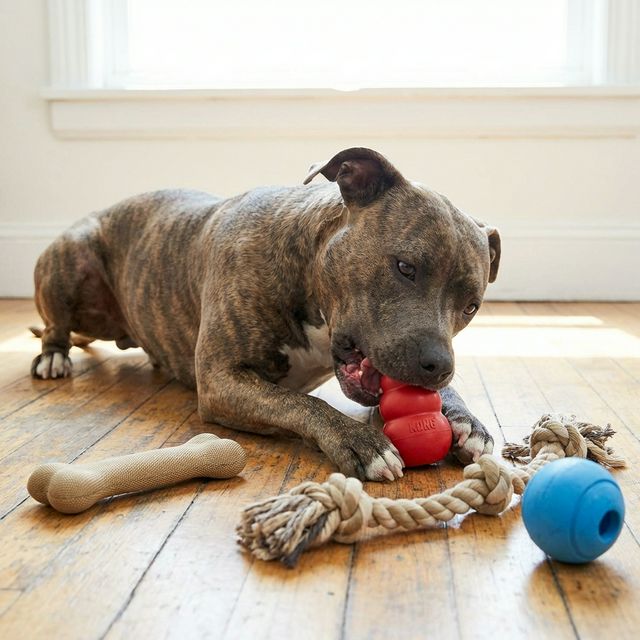
- Rubber chew toys. Kong Puppy (softer than adult Kongs) or Nylabone puppy teething keys are designed for the jaw pressure of a puppy, not an adult dog.
- Frozen carrots or banana chunks. Cold, mildly flavored, and cheap. Supervise in case large pieces break off.
- Rope toys. The fibers provide varied texture and some puppies find rope satisfying during the incisor replacement phase.
Puppy-Proof the Environment
A teething puppy left unsupervised in a room with shoe laces, charging cables, and furniture legs will chew shoe laces, charging cables, and furniture legs. This isn’t a training failure. It’s an access problem.
Pick up anything at mouth level that you don’t want destroyed. Tuck cables behind furniture or into cord covers. Close doors to rooms you can’t puppy-proof. Crate the puppy when you can’t supervise directly.
Trade, Don’t Grab
When the puppy grabs something inappropriate, offer a trade rather than prying the object from their mouth. Hold out a chew toy or treat. When they drop the forbidden item to take the trade, praise the swap. Grabbing things from a puppy’s mouth teaches them to run away with stolen objects or to guard them.
Bitter Apple Spray
Bitter apple spray on furniture legs, baseboards, and frequently targeted objects makes them taste unpleasant. Effectiveness varies. Some puppies are deterred immediately. Others lick through the bitterness and chew anyway. Reapply daily during peak teething months.
Chewing After Teething Ends
Teething-related chewing drops off around 7 months. If your dog continues destructive chewing past 8 to 9 months, the behavior has likely transitioned from teething-driven to habit-driven or boredom-driven.
Adult dogs that chew destructively usually need one or more of: more exercise, more mental enrichment, better access management, or anxiety treatment if the chewing happens exclusively when left alone.
Breed Differences
Small breeds often finish teething faster than large breeds. Toy breeds may be fully teethed by 5 to 6 months. Giant breeds (Great Danes, Mastiffs) sometimes aren’t fully done until 8 months.
Brachycephalic breeds (French Bulldogs, Pugs, English Bulldogs) frequently have dental complications during teething including retained baby teeth, crowded adult teeth, and misalignment due to their shortened jaw structure. These breeds should have a dental check at 6 months to catch retained teeth early.
Frequently Asked Questions
Should I brush a puppy’s teeth during teething?
Start handling your puppy’s mouth and gums from day one, but don’t use a toothbrush during active teething when gums are sore. Use a finger brush or gauze wrapped around your finger to get them accustomed to the sensation. Switch to a proper puppy toothbrush once all adult teeth are in.
My puppy bites me during teething. Is that normal?
Normal but needs management. Puppy biting (mouthing) peaks during teething because everything goes in the mouth. When teeth touch skin, make a brief yelp or say “ouch,” withdraw your hand, and redirect to a toy. If the puppy is too amped to redirect, end the play session with a brief timeout. Consistent redirection over weeks teaches bite inhibition.
Can I give my puppy ice cubes for teething?
Yes. Plain ice cubes are safe and the cold soothes gums. Some puppies love them, others are indifferent. Supervise to make sure the puppy doesn’t try to swallow a large piece whole, though ice dissolves quickly even if partially swallowed.
Related Reading
DogSupplyFinder Research Team
Product Research
Our research team analyzes ingredient lists, AAFCO feeding standards, safety specifications, and thousands of verified owner reviews, with particular attention to breed-specific needs such as brachycephalic breeds and dogs with dietary sensitivities. Evaluations prioritize safety specs, third-party certifications, and manufacturer quality controls over marketing language.
Dog Tips, Deals & Gear Guides
Expert buying guides, breed-specific product picks, and honest gear reviews. Plus our free New Puppy Checklist for subscribers.
📬 No spam, ever. Unsubscribe anytime. · Get the free puppy checklist